

Need SR-22 insurance assistance?
 CALL our licensed Agents
(Mon-Fri, 8am – 5pm PST) for personalized guidance CALL our licensed Agents
(Mon-Fri, 8am – 5pm PST) for personalized guidance |
Managing insurance post-SR-22 filing involves understanding requirements, selecting a suitable provider, comparing quotes, providing documentation promptly, submitting the SR-22 form accurately, paying reinstatement fees, and maintaining continuous coverage. Make sure to research insurers experienced in SR-22 filings, verify licenses, and check reviews. Gather and compare multiple quotes, review coverage options and potential discounts, and submit necessary documentation promptly. Pay reinstatement fees according to DMV guidelines and adhere to continuous coverage for compliance. The process involves several steps to reinstate driving privileges seamlessly.
Understanding SR-22 Requirements
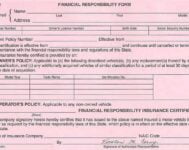
Understanding the SR-22 requirements is vital for individuals seeking to reinstate their driving privileges after certain violations. An SR-22 is a form that must be filed by an individual's insurance company to their state's Department of Motor Vehicles (DMV) to prove that the individual has the minimum required auto insurance coverage.
This form is typically required after serious driving-related offenses, such as DUIs, reckless driving, or driving without insurance. By filing an SR-22, the individual is demonstrating financial responsibility and ensuring that they are meeting the state's insurance requirements.
It is important to understand that an SR-22 is not an insurance policy but rather a guarantee from the insurance company that the individual has coverage in place. Failure to maintain the required insurance can result in the suspension of the individual's driving privileges.
It is important to follow all guidelines related to the SR-22, including maintaining continuous coverage for the specified period, usually three years. By understanding the SR-22 requirements and fulfilling them diligently, individuals can work towards reinstating their driving privileges and moving past their driving violations.
Researching Insurance Providers
To move forward in obtaining insurance after filing an SR-22, individuals should begin by thoroughly researching insurance providers that specialize in accommodating SR-22 filings. When researching insurance providers, it is essential to look for companies with experience handling SR-22 insurance requirements. Start by checking online reviews and ratings to gauge customer satisfaction and the company's reputation. Additionally, consider reaching out to friends or family members who have dealt with similar situations for recommendations.
Furthermore, it is vital to verify that the insurance provider is licensed to offer SR-22 policies in your state. This information can typically be found on the state insurance department's website. Contacting the insurance companies directly to inquire about their experience with SR-22 filings and the specific coverage options they offer can also provide valuable insights.
Comparing Insurance Quotes
When comparing insurance quotes after an SR-22 filing, it is crucial to take into account various factors. These factors include:
- Tips on how to effectively compare quotes.
- An overview of different coverage options available.
- The balance between price and benefits offered by each insurance provider.
Quote Comparison Tips
Effective comparison of insurance quotes involves analyzing the coverage options, premiums, and additional benefits offered by different insurance providers.
To start, gather quotes from multiple insurers to guarantee a thorough comparison. When reviewing the coverage options, pay attention to the types of coverage included, such as liability, collision, comprehensive, and uninsured motorist coverage. Consider the limits and deductibles for each type of coverage to assess the overall protection provided.
Next, compare the premiums quoted by each insurance company. While affordability is vital, it's also important to evaluate what is included in the coverage for the price offered. Additionally, look for any potential discounts that could lower the premium, such as safe driver discounts or bundling multiple policies.
Lastly, consider the additional benefits or perks offered by each insurer. This could include roadside assistance, accident forgiveness, or convenient online account management.
Coverage Options Overview
Analyzing the coverage options provided by different insurance companies is essential when comparing insurance quotes for obtaining the best protection tailored to your needs.
When evaluating coverage options, consider factors such as liability limits, inclusive and collision coverage, uninsured motorist protection, personal injury protection, and additional endorsements like roadside assistance or rental car reimbursement.
Liability coverage is mandatory in most states and helps cover costs related to property damage and bodily injuries in an at-fault accident.
Inclusive and collision coverage protect your vehicle in the event of theft, vandalism, or an accident.
Uninsured motorist protection safeguards you if you're in an accident with a driver who doesn't have insurance.
Personal injury protection covers medical expenses for you and your passengers regardless of fault.
Understanding these coverage options and appraising your individual needs will help you make an informed decision when comparing insurance quotes.
Price Vs. Benefits
Deliberating between the cost and advantages of different insurance quotes is important in selecting the most suitable coverage for your specific needs. When comparing insurance quotes after an SR-22 filing, it's essential to look beyond just the price. While affordability is significant, it's equally important to take into account the benefits and coverage each policy offers.
Start by evaluating the coverage limits and types included in each quote. Make sure that the policy provides adequate protection for your situation, especially considering any past driving violations that led to the SR-22 requirement. Look for additional benefits such as roadside assistance, rental car coverage, or discounts for safe driving habits that could enhance the value of the policy.
Additionally, assess the reputation and financial stability of the insurance company. A slightly higher premium from a well-established insurer with a history of reliable customer service may offer more peace of mind than a cheaper policy from a lesser-known provider.
Providing Necessary Documentation
When submitting your application for insurance following an SR-22 filing, it is important to make sure you provide all necessary documentation to the insurance company promptly. The required documents typically include a copy of the SR-22 form itself, proof of insurance payments, and any other information requested by the insurer. Providing these documents promptly can help expedite the process of obtaining insurance after an SR-22 filing.
| Need SR-22 insurance assistance?
CALL our licensed Agents
(Mon-Fri, 8am – 5pm PST) for personalized guidance |
Additionally, it is vital to verify that all the information provided is accurate and up to date. Any discrepancies or missing information could lead to delays in getting your insurance policy approved. Double-checking the documentation before submission can help avoid potential issues down the line.
Moreover, some insurance companies may have specific requirements or forms that need to be filled out in addition to the standard documentation. Being aware of these additional requirements and fulfilling them in a timely manner can streamline the insurance application process and help you get back on the road as soon as possible.
Submitting SR-22 Form to DMV
Upon obtaining your SR-22 form from the insurance company, the next step involves submitting this document to the Department of Motor Vehicles (DMV).
The submission of the SR-22 form is an important step in the process of reinstating your driving privileges after a license suspension or revocation. It is essential to make sure that all the information on the form is accurate and up to date before sending it to the DMV.
When submitting the SR-22 form to the DMV, it is important to follow the specific guidelines provided by the department. Typically, the DMV requires the original SR-22 form to be submitted, so it is advisable to make copies for your records.
Additionally, some states may allow for electronic submission of the SR-22 form, so it is recommended to check with the DMV regarding their preferred method of submission.
Once the SR-22 form is successfully submitted to the DMV, the department will process the document and update your driving record accordingly. It is crucial to keep a copy of the SR-22 form and proof of submission for your records.
Paying Reinstatement Fees
To reinstate your driving privileges after filing an SR-22 form, you will need to pay the required reinstatement fees as stipulated by the Department of Motor Vehicles (DMV). These fees are typically imposed to cover administrative costs associated with processing your SR-22 filing and reinstating your license.
The amount of the reinstatement fees can vary depending on the state you reside in and the reason for your license suspension. It is important to contact your local DMV or check their website to determine the exact reinstatement fees you are required to pay.
In some cases, you may be eligible for a payment plan to help manage the cost of reinstatement. It is essential to adhere to the DMV's guidelines regarding fee payment to avoid any delays in reinstating your driving privileges.
Once you have paid the necessary reinstatement fees, you can proceed with the next steps to regain your license, such as providing proof of insurance and maintaining continuous coverage as required by the DMV.
Maintaining Continuous Coverage
Maintaining uninterrupted coverage of insurance is an essential requirement for individuals who have filed an SR-22 form and are working towards reinstating their driving privileges. Continuous coverage demonstrates to the state authorities that you are a responsible driver who is committed to complying with the necessary regulations. To guarantee you meet this requirement, it is vital to pay your premiums on time and avoid any lapses in coverage.
Missing payments or allowing your policy to lapse can result in further penalties or even the suspension of your driver's license. To uphold continuous coverage, consider setting up automatic payments or reminders to ensure you never miss a premium. Additionally, it is advisable to review your policy regularly to confirm that it meets the state's requirements for SR-22 insurance.
Conclusion
To sum up, obtaining insurance after an SR-22 filing involves:
- Understanding the requirements.
- Researching insurance providers.
- Comparing quotes.
- Providing necessary documentation.
- Submitting the SR-22 form to the DMV.
- Paying reinstatement fees.
- Maintaining continuous coverage.
By following these steps diligently, individuals can successfully fulfill their insurance obligations and comply with legal requirements.
It is important to stay informed and proactive throughout this process to guarantee a smooth shift back to regular insurance coverage.
Related Posts:


| Need SR-22 insurance assistance?
CALL our licensed Agents
(Mon-Fri, 8am – 5pm PST) for personalized guidance |