
Need SR-22 insurance assistance?
 CALL our licensed Agents
(Mon-Fri, 8am – 5pm PST) for personalized guidance CALL our licensed Agents
(Mon-Fri, 8am – 5pm PST) for personalized guidance |
If you don't use insurance money for repairs, you could face significant issues. Neglecting repairs may violate your policy, leading to potential nonrenewal or cancellation. Your property may be viewed as high-risk, complicating future coverage. Additionally, misuse of funds can result in legal action and penalties. Financially, unrepaired damages can decrease property value and deter buyers. These consequences extend beyond immediate decisions, impacting your long-term insurance status. Discover what steps you can take next.
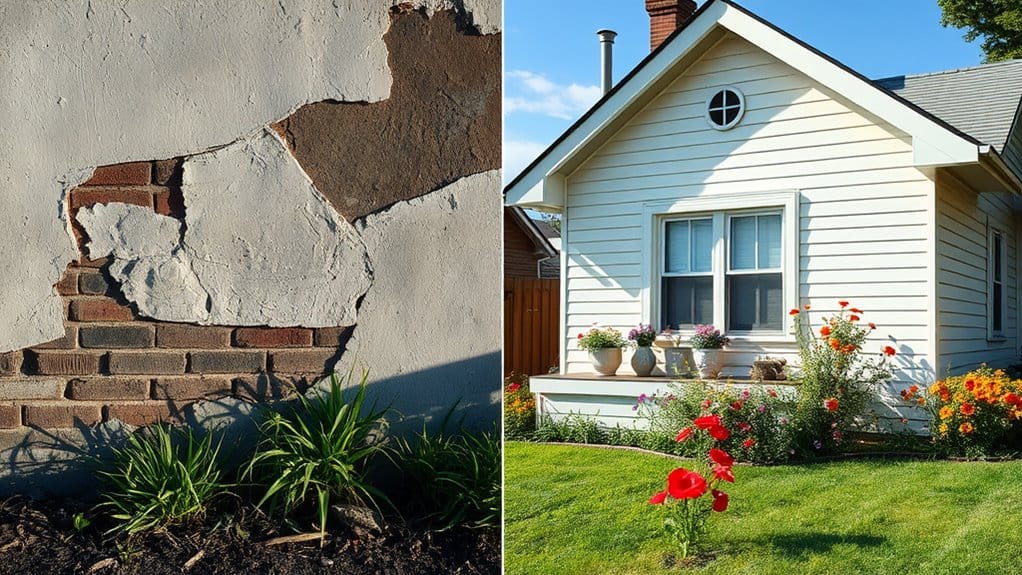
When you choose not to use your insurance money for repairs, you may face a range of notable consequences that extend beyond immediate financial implications. The insurance policy you've invested in is a legal contract designed to protect you and your property. When you neglect to utilize the funds as intended, you might be violating this contract, which could lead to policy nonrenewal or outright cancellation. Insurers often perceive unrepaired homes as high-risk properties, greatly affecting your eligibility for future coverage.
Neglecting to use insurance funds for repairs can violate your policy, risking nonrenewal and future coverage challenges.
Additionally, not addressing necessary repairs can raise red flags for your insurer. If they determine you've misused insurance funds, they could take legal action to recover those funds or impose penalties for breach of contract. You might also face increased premiums as insurers adjust their risk perception based on your failure to mitigate potential hazards. This could result in a long-term financial burden that could have been avoided had you used the insurance money appropriately. Homeowners insurance payouts are intended strictly for repairs, and misuse can lead to serious policy implications.
The legal implications of misusing insurance funds are severe. Such actions may be classified as insurance fraud, leading to substantial penalties, including fines or even imprisonment. The binding nature of insurance contracts means that violating the terms can result in costly legal disputes. Additionally, if you ever need to file another claim, insurers may scrutinize your situation more closely, especially if prior damages were left unaddressed. This history of misuse can tarnish your reputation, impacting your trustworthiness in the eyes of insurers.
Financially, the consequences can be dire. Unrepaired damages can greatly reduce your property's value and marketability. If you ever decide to sell, potential buyers may be deterred by visible issues, making your property less attractive. In addition, as insurers categorize unrepaired homes as high-risk, securing future insurance coverage may become increasingly challenging. The longer you wait to make repairs, the more extensive and costly those repairs can become, leading to additional unexpected expenses. You might also miss out on opportunities to invest or save that insurance money for other emergencies.
If you have a mortgage, it's vital to understand that lenders typically require you to use insurance funds for repairs to protect their investment in your property. Lease agreements for vehicles often include stipulations requiring timely damage repair, which may involve oversight from the leasing company. In many cases, lenders hold insurance payouts in escrow until repairs are confirmed complete, adding another layer of complexity to your situation. Failing to comply with these terms could lead to notable financial repercussions.
Ultimately, neglecting to use insurance money for repairs can have cascading effects on your ability to make future claims, as insurers may deny or reduce claims related to unrepaired damages. Your risk profile will likely worsen, leading to reduced coverage options and increased premiums. It's important to recognize that the consequences of inaction can extend well beyond the immediate decision not to repair.
Conclusion
If you choose not to use your insurance money for repairs, you might find yourself facing unexpected consequences. Your insurer may question your claim's legitimacy, and your coverage could be jeopardized. Additionally, neglecting repairs can lead to further damage, increasing your out-of-pocket expenses down the line. As you weigh your options, consider the potential risks carefully. The decision you make today could haunt you tomorrow—are you ready to bear the burden of that choice?
Related Posts:


| Need SR-22 insurance assistance?
CALL our licensed Agents
(Mon-Fri, 8am – 5pm PST) for personalized guidance |