
Need SR-22 insurance assistance?
 CALL our licensed Agents
(Mon-Fri, 8am – 5pm PST) for personalized guidance CALL our licensed Agents
(Mon-Fri, 8am – 5pm PST) for personalized guidance |
To explore liability car insurance coverage inclusions, understand the types like bodily injury for medical expenses, property damage for repairing other’s property, and uninsured motorist coverage. Note minimum coverage requirements defined by state laws. Consider coverage limits and options; higher limits offer better financial protection. Learn about deductibles to make informed decisions. Beware of exclusions like intentional acts or driving under influence. Liability coverage is crucial for financial and legal protection in accidents, safeguarding against out-of-pocket expenses and legal fees. In-depth knowledge ensures proper coverage for responsible vehicle ownership.
Types of Liability Coverage
Generally, liability car insurance coverage includes three main types: bodily injury liability, property damage liability, and uninsured/underinsured motorist coverage.
Bodily injury liability coverage helps pay for the medical expenses of individuals injured in an accident for which you are at fault. It may also cover lost wages, pain and suffering, and legal expenses if you are sued.
Property damage liability coverage, on the other hand, assists in covering the costs of repairing or replacing another person’s property if you are responsible for the damage, such as their vehicle, building, or other structures.
Finally, uninsured/underinsured motorist coverage steps in when the at-fault party does not have insurance or lacks sufficient coverage to pay for the damages. This type of coverage can help with medical bills, lost wages, and vehicle repairs.
Understanding these three main types of liability coverage is essential for ensuring adequate protection in case of an unforeseen accident.
Bodily Injury Liability
Bodily Injury Liability coverage is an essential component of liability car insurance, designed to assist with medical expenses and related costs for individuals injured in accidents where the insured party is deemed at fault. This coverage helps pay for the medical treatment of the other party involved in the accident, including hospital stays, surgeries, rehabilitation, and even lost wages if the injured party is unable to work due to the accident. In addition to covering medical expenses, Bodily Injury Liability insurance also helps protect the insured from potential lawsuits resulting from the accident.
It is vital for drivers to carry an adequate amount of Bodily Injury Liability coverage to ensure they are financially protected in case of a severe accident. State laws typically mandate minimum coverage requirements for Bodily Injury Liability, but it is advisable to contemplate purchasing higher limits to safeguard personal assets and future earnings.
Property Damage Liability
Property Damage Liability coverage is an essential aspect of liability car insurance that provides financial protection for damages to another person’s property caused by the insured driver. In the event of an accident where the insured driver is at fault, Property Damage Liability coverage helps cover the costs associated with repairing or replacing the damaged property, such as vehicles, buildings, or other structures.
This type of coverage is vital as property damage can result in significant financial losses for the affected party. Without Property Damage Liability insurance, the at-fault driver would be personally responsible for covering these expenses, which could lead to lawsuits and financial hardship.
It’s important for drivers to take into account the potential costs of property damage and select adequate coverage limits to ensure they are protected in various scenarios.
Property Damage Liability coverage is typically included in liability car insurance policies, alongside Bodily Injury Liability coverage, to provide thorough protection for both individuals and property in the event of an accident.
Minimum Coverage Requirements
When it comes to liability car insurance, understanding the minimum coverage requirements is essential. These requirements typically involve coverage limits that determine the maximum amount your policy will pay out in the event of a claim.
Additionally, each state has specific mandates regarding the minimum amount of coverage drivers must carry to legally operate a vehicle.
Coverage Limits
The determination of appropriate coverage limits for liability car insurance is an essential aspect of ensuring financial protection in the event of an accident. Coverage limits refer to the maximum amount an insurance company will pay out for a covered claim. When selecting coverage limits, it is vital to take into account factors such as personal assets, income, and potential liabilities in the event of a lawsuit. It is recommended to opt for coverage limits that adequately protect personal finances and assets.
Minimum coverage requirements set by states are the lowest limits drivers must carry to legally operate a vehicle. While meeting these minimum requirements is mandatory, they may not provide sufficient protection in the case of a severe accident. Drivers should carefully assess their individual financial situation and risk tolerance when determining appropriate coverage limits.
Higher coverage limits generally offer more extensive financial protection but may come with higher premiums. Striking a balance between adequate coverage and affordability is key when selecting liability car insurance coverage limits.
State-Specific Requirements
Determining the appropriate coverage limits for liability car insurance involves considering state-specific requirements, particularly the minimum coverage mandates set by each state to guarantee legal compliance. State laws dictate the minimum amount of liability coverage drivers must carry to guarantee financial responsibility in case of an accident. These requirements vary greatly from state to state, with most states mandating coverage for bodily injury liability and property damage liability.
For example, states like California and Alaska require a minimum of $15,000 per person and $30,000 per accident for bodily injury liability, along with $5,000 for property damage liability.
On the other hand, states such as Maine and Ohio have higher minimum coverage limits, with requirements of $50,000 for bodily injury per person, $100,000 for bodily injury per accident, and $25,000 for property damage.
It is important for drivers to be aware of their state’s specific requirements to avoid any legal penalties and make sure they have adequate protection in case of an accident. Additionally, drivers may choose to purchase coverage limits higher than the state-mandated minimums for added financial security.
Coverage Limits and Options
Understanding the significance of coverage limits is essential when selecting liability car insurance. Policy options vary, offering different levels of protection and features to suit individual needs.
Additionally, comprehending deductibles can help policyholders make informed decisions about their coverage.
| Need SR-22 insurance assistance?
CALL our licensed Agents
(Mon-Fri, 8am – 5pm PST) for personalized guidance |
Coverage Limit Importance
Selecting appropriate coverage limits for your liability car insurance is an important decision that directly impacts the level of protection you have in the event of an accident. Coverage limits refer to the maximum amount your insurance company will pay for covered claims.
Understanding the significance of coverage limits is vital in ensuring you have adequate financial protection.
When determining the appropriate coverage limits for your liability car insurance, consider factors such as your assets, income, and the value of your vehicle. Higher coverage limits provide greater protection but also come with higher premiums. It’s important to strike a balance between adequate coverage and affordability.
For example, if you own a home or have substantial savings, opting for higher coverage limits can help shield your assets in the event of a lawsuit resulting from a severe accident. On the other hand, if your financial resources are limited, selecting lower coverage limits may be more suitable to align with your budget while still providing a basic level of protection.
Evaluating your individual circumstances and consulting with your insurance agent can help you determine the most suitable coverage limits for your liability car insurance.
Policy Options Overview
When evaluating liability car insurance choices, it is important to carefully analyze the available policy options, including coverage limits and additional features. Coverage limits refer to the maximum amount your insurance provider will pay for a covered claim. Common coverage limit options include split limits, where separate amounts are set for bodily injury per person, bodily injury per accident, and property damage per accident, and combined single limits, which provide a total amount that applies across all categories. It’s vital to select coverage limits that adequately protect your assets in the event of a serious accident.
In addition to coverage limits, policy options may include features such as uninsured/underinsured motorist coverage, medical payments coverage, and personal injury protection. Uninsured/underinsured motorist coverage protects you if you’re in an accident with a driver who has insufficient insurance, while medical payments coverage helps pay medical expenses for you and your passengers regardless of fault. Personal injury protection covers medical expenses and lost wages for you and your passengers, regardless of fault, and may also extend to other expenses like childcare.
Understanding and selecting the right policy options can provide you with thorough protection on the road.
Understanding Deductibles
An important aspect of liability car insurance coverage to understand is the concept of deductibles and how they impact your financial responsibility in the event of a claim. Deductibles represent the amount of money you must pay out of pocket before your insurance provider starts contributing towards a covered claim.
When selecting a deductible amount, it’s important to strike a balance between a higher deductible, which can lower your premium but increase your immediate costs in the event of a claim, and a lower deductible, which can lead to higher premiums but lower out-of-pocket expenses at the time of a claim.
Understanding your deductible is crucial because it directly affects your financial risk in case of an accident. Generally, higher deductibles result in lower monthly premiums, while lower deductibles mean higher monthly premiums.
It’s important to take into account your financial situation and risk tolerance when choosing a deductible amount that aligns with your needs and budget. By fully understanding deductibles, you can make informed decisions that suit your financial circumstances and provide the necessary coverage in case of an unfortunate incident.
Exclusions and Limitations
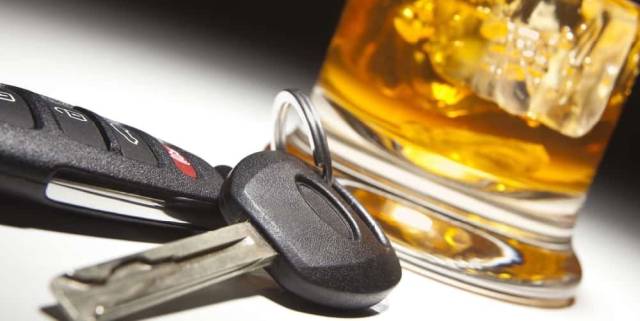
Exclusions and limitations within liability car insurance coverage delineate the specific circumstances or scenarios where the policy may not provide financial protection or where coverage may be restricted. Common exclusions in liability coverage may include intentional acts, driving under the influence, using the vehicle for commercial purposes, or driving without a valid license. These exclusions are put in place to safeguard the insurer from having to cover damages that result from irresponsible or illegal actions by the policyholder.
Additionally, limitations in liability coverage may involve the maximum amount the insurer will pay for bodily injury or property damage per accident. For example, a policy might have a limit of $50,000 for bodily injury per person and $100,000 per accident.
It is important for policyholders to be aware of these limitations to guarantee they have adequate coverage in case of a significant accident that exceeds these limits. Understanding both the exclusions and limitations of liability car insurance coverage is essential for making informed decisions about one’s financial protection on the road.
Importance of Liability Coverage
Understanding the significance of liability coverage is essential for every vehicle owner seeking thorough financial protection in the event of unforeseen accidents or incidents on the road. Liability coverage serves as a vital component of car insurance policies, as it provides protection against potential legal and financial ramifications resulting from accidents where the policyholder is deemed at fault.
Without adequate liability coverage, individuals risk facing substantial out-of-pocket expenses, including medical bills, property damage costs, legal fees, and potential court judgments.
Moreover, liability coverage not only safeguards the policyholder’s financial well-being but also helps protect other parties involved in the accident. By having sufficient liability coverage, drivers can fulfill their legal obligations to compensate others for damages caused, thereby avoiding potential lawsuits and legal complications.
Essentially, liability coverage offers a sense of security and peace of mind to vehicle owners, knowing that they are financially protected in case of unforeseen circumstances on the road. It is a fundamental aspect of responsible vehicle ownership and prudent financial planning.
Conclusion
In summary, understanding the various types of liability coverage, minimum requirements, coverage limits, exclusions, and limitations is vital for individuals seeking adequate protection in the event of an accident.
By exploring the nuances of liability car insurance coverage inclusions, individuals can make informed decisions about their insurance needs and guarantee they have the necessary protection in place.
It is essential to carefully review and analyze policy options to ensure thorough coverage and financial security.
Related Posts:



| Need SR-22 insurance assistance?
CALL our licensed Agents
(Mon-Fri, 8am – 5pm PST) for personalized guidance |