What Makes Insurance a Key Defense in Managing Your Money According to Dave?

insurance as financial protection
Need SR-22 insurance assistance? CALL our licensed Agents (Mon-Fri, 8am – 5pm PST)  for personalized guidance


(833) 568-8076

Insurance is a key defense in managing your money because it provides security against unforeseen events. It protects your assets and guarantees predictability in your financial landscape, allowing you to focus on growth rather than potential pitfalls. With effective risk mitigation, you can allocate resources wisely while benefiting from tax advantages. Plus, it offers emotional security, reducing stress during financial planning. If you want to explore how to maximize these benefits, there's plenty more to uncover.

When you consider your financial future, integrating insurance into your money management strategy isn't just a safety net; it's an indispensable component that can enhance your overall financial stability. You might often overlook the important role insurance plays in risk management, but it protects your assets from unforeseen setbacks like accidents or lawsuits. Imagine facing an unexpected financial burden without the coverage that insurance provides. By making certain your assets are safeguarded, you create a more predictable financial landscape, allowing you to focus on growth rather than worry about potential pitfalls.

Insurance serves as a powerful tool for risk mitigation. Life can throw curveballs at any moment, and having a solid insurance plan acts as a shield against potential financial losses that could derail your financial plans. This predictability is essential; it allows you to allocate resources more effectively, knowing that unexpected expenses won't plunge you into chaos. Moreover, insurance policies can generate tax-deferred growth, which can complement your wealth-building strategies.

Insurance stands as a vital shield against life's unpredictability, ensuring financial stability and effective resource allocation.

Additionally, many insurance policies offer tax benefits, including tax-deferred growth, which can greatly enhance your investment strategy over time. By leveraging these advantages, you not only protect what you have but also work toward building wealth in a tax-efficient manner.

Furthermore, insurance contributes to investment diversification. You may not realize it, but policies like whole life insurance can accumulate cash value, which can serve as an alternative investment. This diversification can be particularly beneficial during turbulent market conditions, where traditional investments may falter. Annuities, for instance, can provide fixed income streams, lowering your financial risk and guaranteeing that you maintain a steady cash flow. If you're looking at your portfolio, consider how incorporating insurance can offer a different growth trajectory and stability.

Beyond financial mechanics, insurance also provides peace of mind. Knowing you have a safety net can reduce stress and anxiety, allowing you to invest more freely and take calculated risks. This emotional security not only benefits you but also reassures your dependents in the face of unforeseen events. With insurance in place, you're encouraged to be proactive in your financial planning rather than reactive, instilling greater confidence in your ability to achieve your financial goals.

For business owners, insurance becomes even more essential. It guarantees income continuity in the event of a business owner's incapacity and protects against the loss of key employees through key person insurance. This strategic advantage helps businesses remain resilient during crises, maintaining operations and financial stability when it matters most.

In the long run, insurance plays an important role in legacy and estate planning, helping you achieve your financial goals while preserving wealth. By covering estate taxes and facilitating smooth wealth transfers, insurance guarantees that your hard-earned assets benefit your loved ones. With a thorough strategy that includes insurance, you're not just managing your money; you're protecting your future and the future of those who depend on you.

Conclusion

In the grand tapestry of your financial journey, insurance is the sturdy thread that holds everything together. Without it, even the brightest colors of your wealth can unravel in the face of unexpected storms. By investing in the right coverage, you're not just protecting your assets; you're fortifying your peace of mind. So, embrace insurance as your financial shield, and watch as it transforms uncertainty into security, allowing you to navigate life's challenges with confidence and grace.

Need SR-22 insurance assistance? CALL our licensed Agents (Mon-Fri, 8am – 5pm PST)  for personalized guidance

(833) 568-8076

What Is a Texas Liability Insurance Card and Why Do You Need It?

texas liability insurance card
Need SR-22 insurance assistance? CALL our licensed Agents (Mon-Fri, 8am – 5pm PST)  for personalized guidance

(833) 568-8076

A Texas liability insurance card is your proof of required insurance coverage to drive legally in the state. It demonstrates your financial responsibility and compliance with Texas laws in case of an accident. The card shows you have at least $30,000 per person for bodily injury, $60,000 for total bodily injury per accident, and $25,000 for property damage. Not having it can lead to fines, vehicle impoundment, and suspension of your driving privileges. There's more to understand about its importance and how to obtain one.

When you drive in Texas, having a liability insurance card isn't just a good idea; it's a legal requirement. This card serves as vital documentation, proving that you've got the necessary liability insurance coverage for your vehicle. Texas law mandates this coverage to guarantee that all drivers maintain financial responsibility in the event of an accident. Fundamentally, it acts as your safety net, protecting you against financial loss if you're at fault in an accident.

The liability insurance card covers two main areas: bodily injury and property damage liability. Bodily injury coverage extends to medical bills and lost wages of injured parties, while property damage liability pays for repairs or replacements of damaged property. By having this card, you can demonstrate compliance with Texas's minimum liability insurance requirements, which are significant for both legal and practical reasons.

Carrying a Texas liability insurance card is more than just meeting a legal obligation; it simplifies many aspects of driving. For instance, during a traffic stop or after an accident, you'll need to show proof of insurance. Without it, you could face fines, penalties, or even a suspension of your driving privileges. Additionally, this card is often required when registering your vehicle or renewing your license, making it an indispensable part of the driving experience in Texas. The Texas Liability Insurance Card reassures others and reduces their financial burden in the event of an accident.

Obtaining a Texas liability insurance card is straightforward if you follow a few key steps. You must get it from an insurance provider authorized in Texas, making sure that the policy meets or exceeds the state's minimum coverage limits. To secure your insurance, you'll need to provide personal information such as your name, address, vehicle details, and driver's license number.

Once your policy is in place, the card can typically be mailed to you, printed online, or stored digitally for easy access. If you ever lose your card, requesting a replacement is usually a simple process.

The minimum liability insurance required in Texas includes $30,000 for bodily injury per person, $60,000 per accident, and $25,000 for property damage. If you lease a vehicle, higher limits might apply, and financed vehicles often require collision and extensive coverage as well. This insurance isn't just a legal formality; it demonstrates your financial ability to cover damages resulting from an accident and protects you from potential legal repercussions.

Driving without a valid Texas liability insurance card can expose you to serious consequences. Aside from hefty fines and penalties, your vehicle may be impounded if you're unable to provide proof of insurance. More critically, you risk having your driving privileges suspended, leaving you without the ability to legally operate a vehicle.

This situation can create significant financial risks, affecting your ability to work or carry out daily responsibilities.

Conclusion

In Texas, carrying a liability insurance card isn't just a legal requirement; it's your safety net on the road. This card proves you've got the coverage needed to protect yourself and others in case of an accident. Without it, you're playing with fire. Make certain you keep this card handy to avoid hefty fines and guarantee peace of mind while driving. Remember, being prepared is half the battle when it comes to responsible vehicle ownership.

Need SR-22 insurance assistance? CALL our licensed Agents (Mon-Fri, 8am – 5pm PST)  for personalized guidance

(833) 568-8076

Key Elements the Consideration Clause in Insurance Contracts Includes

consideration clause in insurance
Need SR-22 insurance assistance? CALL our licensed Agents (Mon-Fri, 8am – 5pm PST)  for personalized guidance

(833) 568-8076

The consideration clause in insurance contracts guarantees you exchange something of value with the insurer—typically, your premium for coverage. It's vital because it defines both parties' obligations; you must pay premiums timely, while the insurer is obligated to provide the agreed coverage. The clause also reinforces your financial stake in the insured asset, which justifies the premium and prevents moral hazard. Understanding its details can enhance your contractual relationship and protect your rights—there's more to explore about this topic.

When you enter into an insurance contract, understanding its key elements is fundamental, as these principles underpin your rights and obligations. One of the most significant components within an insurance contract is the consideration clause. This clause represents the exchange of value between you and the insurer, laying the groundwork for the agreement. Essentially, you provide premium payments in exchange for the insurer's promise to provide coverage for specified risks.

The consideration clause confirms that both parties are committing to the contract. Your obligation typically involves paying premiums on time, while the insurer's obligation is to provide coverage as outlined in the policy. This mutual exchange is essential; without it, the contract lacks enforceability. It's critical to understand that the consideration you offer must be lawful and have value. For example, if you pay a premium for a policy that covers your home, the insurer is obligated to compensate you for covered losses, which brings clarity to the contractual relationship.

Moreover, the consideration clause guarantees that the insurance contract is based on a solid foundation of mutual benefit. The insurer assesses the premiums based on the risk associated with insuring you. When you submit your application, you outline the information that helps the insurer determine your risk profile and the corresponding premium. It's important that this information is accurate, as any misrepresentation can lead to a breach of the utmost good faith principle, which requires honesty from both parties.

The accuracy of your application is crucial, as misrepresentation can breach the principle of utmost good faith.

Another aspect of the consideration clause relates to insurable interest. You must have a financial stake in the insured item, guaranteeing that you stand to lose financially if a loss occurs. This requirement exists to prevent moral hazard, where individuals might otherwise benefit from a loss. Consequently, the consideration you provide—your premium—must be justifiable through the financial interest you have in the insured asset.

It's also important to note that the consideration doesn't only involve monetary transactions. Non-monetary aspects, such as fulfilling certain conditions or warranties stated in the policy, can also be considered part of the consideration. If you fail to meet these conditions, the insurer may not be obligated to provide coverage, demonstrating how interconnected the consideration clause is with other elements of the contract.

Lastly, as you navigate through your insurance policy, be aware of the legal implications surrounding the consideration clause. The contract must satisfy state regulations, which dictate that both parties have the legal capacity to enter into the agreement. This guarantees that your rights as the policyholder are protected and that the insurer can enforce the terms effectively.

Understanding the consideration clause in your insurance contract not only clarifies your obligations but also strengthens your position should disputes arise.

Conclusion

To sum up, understanding the consideration clause in insurance contracts is essential for ensuring both parties fulfill their obligations. By grasping the key elements, you can avoid potential disputes that may arise, much like a knight safeguarding his armor before battle. Remember, the consideration—often monetary or a promise—is what binds the contract. So, as you navigate through your insurance agreements, stay vigilant and informed; it's your best defense against unforeseen risks.

Need SR-22 insurance assistance? CALL our licensed Agents (Mon-Fri, 8am – 5pm PST)  for personalized guidance
(833) 568-8076

What Is PLPD Insurance and Why Do You Need It?

plpd insurance explained and necessity
Need SR-22 insurance assistance? CALL our licensed Agents (Mon-Fri, 8am – 5pm PST)  for personalized guidance

(833) 568-8076

PLPD insurance, or Personal Liability and Property Damage insurance, is essential for covering financial losses in at-fault accidents. It protects you against medical expenses and property damage claims from others involved in accidents you cause. Most states require this coverage, ensuring you meet legal obligations and avoid penalties. While it doesn't cover your own vehicle or medical costs, it's often an affordable way to obtain necessary protection. There's more to explore about its components and benefits.

When it comes to car insurance, understanding the basics can save you both money and headaches. PLPD insurance, which stands for Personal Liability and Property Damage insurance, is a vital component of car insurance that you should know about. It's mandatory in most U.S. states, meaning you need it to drive legally. While the term "PLPD" is mainly used in Michigan, similar coverage exists across the nation, making it important for you to grasp its components and implications.

At its core, PLPD insurance consists of two main components: personal liability coverage and property damage liability. Personal liability covers medical expenses and lost wages for other individuals involved in an accident where you're at fault. Property damage liability, on the other hand, covers damage to other vehicles or properties. Typically, bodily injury limits are expressed as two numbers, such as $25,000 per person and $50,000 per accident, while property damage limits are usually presented as a single figure, like $20,000. Depending on your state, these coverage limits can vary, with some states requiring higher minimums than others.

PLPD insurance includes personal liability for injuries and property damage liability for vehicle and property damage in accidents.

If you're in Michigan, for instance, the law mandates a minimum of $250,000 per person and $500,000 per accident for liability coverage. While these minimums are set for legal compliance, it's often advisable to opt for higher coverage amounts to provide better financial protection. This is particularly true given that each state has different requirements, and states like New Hampshire and Virginia even allow you to drive without insurance under certain conditions.

One of the key benefits of PLPD insurance is that it offers financial protection against potential losses in at-fault accidents. It helps fulfill your moral responsibility by guaranteeing you can compensate others involved in accidents you cause. Additionally, maintaining this coverage keeps you legally compliant, thereby avoiding penalties for driving uninsured. This peace of mind reduces the stress associated with the financial risks of potential lawsuits.

However, it's important to recognize the limitations of PLPD insurance. It doesn't cover damages to your own vehicle or medical expenses you might incur in an accident. In severe accidents, the coverage amounts might be insufficient to cover extensive damages, necessitating additional insurance for all-encompassing protection. Additionally, if you're involved in an accident out of state, PLPD may not fully protect you, depending on the laws of that state.

Cost-wise, PLPD insurance is often one of the most affordable options for meeting state requirements. Factors such as your age, driving record, and credit score influence premiums. As prices can vary greatly between providers, it's wise to shop around and conduct annual reviews to confirm you get the best rates. Keep in mind that premiums may increase over time, even if you're a safe driver. Moreover, PLPD insurance in Michigan includes mandatory coverage types such as liability and property damage, ensuring you meet the state's legal requirements.

Conclusion

To summarize, PLPD insurance offers essential coverage for vehicle owners, protecting you against liability in the event of an accident. But imagine driving without it—what risks are you exposing yourself to? The potential financial fallout from an accident could be devastating, leaving you with hefty bills and legal troubles. So, as you consider your options, ask yourself: can you afford to take that chance? The peace of mind that comes with PLPD insurance may be worth far more than you think.

Need SR-22 insurance assistance? CALL our licensed Agents (Mon-Fri, 8am – 5pm PST)  for personalized guidance

(833) 568-8076

What Is Go Car Insurance and How Does It Work?

go car insurance overview
Need SR-22 insurance assistance? CALL our licensed Agents (Mon-Fri, 8am – 5pm PST)  for personalized guidance

(833) 568-8076

Go Car Insurance operates in Louisiana, Nevada, Ohio, and Texas, offering straightforward auto insurance primarily focused on basic liability policies without commission-based agents. Their coverage options include essential liability, collision, and uninsured motorist coverage, but lack services like roadside assistance. With a commitment to low-cost premiums, rates fluctuate by location and driver profile. Although they provide a mobile app for account management, customer experience may vary. Discover more about their services and offerings as you explore further.

Go Car Insurance

If you're considering Go Car Insurance, you'll find that it operates in four states—Louisiana, Nevada, Ohio, and Texas—offering straightforward auto insurance policies without the involvement of commission-based agents. This direct approach can streamline your experience, as you won't need to navigate through agents to obtain information or purchase a policy. The company has physical branches for in-person interactions, which can be a benefit if you prefer face-to-face communication.

Go Car Insurance focuses on basic auto insurance coverage, which typically includes essential liability policies. While they do provide optional coverages such as collision, extensive, medical payments, and uninsured motorist coverage, their offerings are limited compared to larger competitors. The lack of additional services, like roadside assistance or gap insurance, could be a deciding factor for those looking for more thorough protection. It's essential to recognize that policies are tailored based on state requirements, which can affect the options available to you.

Pricing with Go Car Insurance positions it as a low-cost option; however, premiums can vary considerably based on your location and personal driver specifics. In Louisiana, for example, the average annual cost for full coverage hovers around $2,350. The company doesn't consistently offer discounts, which can limit your ability to reduce your premium further. It's also remarkable that costs can fluctuate dramatically across different ZIP codes, making it essential to research local rates if you're considering this provider.

In terms of technology, Go Car Insurance has developed a robust online presence. You can manage your policy, quote, buy, renew, and even file claims through their downloadable mobile app or website. This digital convenience is complemented by physical offices, which provide an alternative for those who prefer traditional service methods. Additionally, a Spanish version of the website caters to a broader audience, enhancing accessibility for non-English speakers.

However, when it comes to customer experience, Go Car Insurance faces challenges. The lack of ratings from major industry evaluators makes it difficult to gauge the company's performance. Complaints to state insurance regulators are higher than expected, which raises concerns about customer satisfaction. Public perception of the company may vary due to minimal publicity and limited information about customer experiences.

Since its establishment in 2009 and headquarters in Baton Rouge, Louisiana, Go Car Insurance has primarily targeted the low-cost insurance market segment. While it competes directly with larger insurers like Geico and USAA, it lacks the financial ratings and extensive coverage options offered by these competitors. This absence of industry recognition could deter potential customers seeking established providers with solid reputations.

Conclusion

To sum up, Go Car Insurance offers a flexible, user-friendly approach to auto coverage that adapts to your driving habits. Curiously, studies show that drivers who opt for usage-based insurance can save an average of 30% on their premiums compared to traditional plans. This statistic highlights the potential benefits of choosing a policy that aligns with your specific driving behavior, making Go Car Insurance a smart choice for those looking to optimize their savings while ensuring adequate protection on the road.

Need SR-22 insurance assistance? CALL our licensed Agents (Mon-Fri, 8am – 5pm PST)  for personalized guidance

(833) 568-8076

What Does an Insurance Attorney Do for Your Claim?

insurance claim legal assistance
Need SR-22 insurance assistance? CALL our licensed Agents (Mon-Fri, 8am – 5pm PST)  for personalized guidance

(833) 568-8076

An insurance attorney helps you navigate the complex claim process, ensuring you receive the coverage you're entitled to. They analyze the fine print of your policy, advocate for your rights, and challenge any unjust decisions made by insurers. With their expertise in relevant laws, they prepare and review legal documents, compile evidence, and employ negotiation strategies to achieve favorable outcomes. If you're curious about how they can further strengthen your case, there's more to explore.

Have you ever wondered how insurance attorneys maneuver the complex landscape of insurance claims? Their role is essential in guaranteeing you receive the coverage you're entitled to. When you face challenges like claim denials or underpayments, these attorneys step in to analyze intricate policy language that can often be confusing. By interpreting contracts, they identify potential breaches by the insurance companies, making sure you understand your rights and the obligations of your insurer.

Insurance attorneys navigate complex claims to ensure you receive the coverage you're entitled to, clarifying your rights and insurer obligations.

In disputes with insurance providers, your attorney serves as an advocate, representing your interests and challenging any unjust claim decisions. They know how to identify bad faith practices by insurers that may be detrimental to your case. By facilitating communication between you and the insurance company, they help clarify issues and streamline the claims process. With their legal expertise, they're not only assuring you get fair treatment but also preparing you for any necessary legal actions. Legal actions can be initiated to address bad faith practices, such as delaying claim processing or refusing to pay valid claims.

Insurance attorneys possess a deep knowledge of relevant laws and regulations, which is fundamental for crafting a strong strategy during your claims process. They prepare and review all necessary legal documents, confirming that nothing is overlooked. This attention to detail is significant, as an effective risk assessment and thorough analysis of your policy can greatly influence the outcome of your claim.

If litigation becomes necessary, your attorney will guide you through the process, providing invaluable support. The types of claims these attorneys handle are diverse. Whether it's property damage, life insurance disputes, auto accidents, or health insurance claims, they bring specialized knowledge to each situation. They understand the nuances of business interruption claims and disability benefits, so you can rely on their expertise to manage your specific needs.

Their familiarity with various claim types means they can tailor their approach for the best possible results. When disputes escalate to litigation, insurance attorneys represent you in civil court proceedings. They develop and execute legal defense strategies, collaborating with other legal professionals to bolster your case. This teamwork is essential for maneuvering the complexities of the legal system and achieving favorable settlements.

Their negotiation skills often lead to better outcomes than you might achieve alone, as they know how to address the tactics employed by insurance companies. Ultimately, the primary focus of an insurance attorney is to protect your interests. They compile evidence that supports the validity of your claims and verify compliance with insurance regulations.

Conclusion

Involving an insurance attorney can greatly increase your chances of a successful claim. Did you know that policyholders who hire attorneys settle for 3.5 times more than those who don't? This statistic underscores the value of legal representation in traversing complex insurance processes. With their expertise, attorneys can advocate for your rights, ensuring you receive the compensation you deserve. So, don't go it alone—partner with an insurance attorney and strengthen your claim today.

Need SR-22 insurance assistance? CALL our licensed Agents (Mon-Fri, 8am – 5pm PST)  for personalized guidance

(833) 568-8076

7 Essential Steps for Exploring Driver Education

Need SR-22 insurance assistance? CALL our licensed Agents (Mon-Fri, 8am – 5pm PST)  for personalized guidance

(833) 568-8076

For those exploring driver education, start by choosing a reputable course matching your needs. Understand license requirements and familiarize with vehicle controls for safe driving. Practice defensive techniques, study traffic laws, and learn traffic signs meticulously. Take practice tests to gauge your knowledge and prepare thoroughly for the road test. These steps establish a solid foundation for becoming a skilled and responsible driver. Mastering these essentials will guarantee a smooth journey towards achieving your driver’s license and driving confidently on the road.

Choosing the Right Course

Choosing the right driver education program is an important step in establishing a strong foundation for safe and responsible driving practices. When selecting a course, it is essential to take into account various factors to make sure that it meets your needs and provides thorough instruction.

One key aspect to evaluate is the program’s accreditation and reputation. Look for courses that are approved by relevant authorities or organizations, as this indicates that they meet certain standards of quality and content.

Additionally, think about the format of the course. Some programs offer traditional in-person classes, while others provide online options for greater flexibility. Choose a format that aligns with your learning style and schedule.

It is also crucial to assess the curriculum of the course. A well-rounded program should cover topics such as traffic laws, defensive driving techniques, and road safety practices.

Lastly, take into consideration the qualifications of the instructors. Experienced and knowledgeable teachers can greatly enhance your learning experience and provide valuable insights.

Understanding License Requirements

To advance in your journey towards safe and responsible driving, it is crucial to familiarize yourself with the specific license requirements mandated by your state or region.

Obtaining a driver’s license is a significant milestone that comes with responsibilities and legal obligations. The process for obtaining a driver’s license varies from state to state, but generally involves meeting age requirements, passing a written knowledge test, a practical driving test, and a vision screening.

In addition to these tests, some states may require completion of a driver education course or a certain number of supervised driving hours before being eligible for a license. It is essential to thoroughly understand the requirements set by your state’s Department of Motor Vehicles (DMV) or relevant licensing authority to make sure you are properly prepared.

Learning Basic Vehicle Controls

As new drivers begin their journey to master the art of driving, understanding basic vehicle controls is essential. This includes familiarizing oneself with the pedals for acceleration and braking, as well as grasping the techniques of steering effectively.

Additionally, learning how to shift gears smoothly and efficiently is vital for a safe and confident driving experience.

Control Basics Overview

Understanding the fundamental principles of basic vehicle controls is essential for new drivers initiating their journey into the world of driving.

As a new driver, it is important to familiarize yourself with the primary controls within your vehicle. These controls typically include the steering wheel, gear shift, handbrake, and various dashboard indicators.

The steering wheel allows you to direct the vehicle, while the gear shift enables you to change between gears for acceleration and deceleration. The handbrake is important for parking and ensuring the vehicle remains stationary when not in use.

Additionally, it is essential to understand the function of dashboard indicators such as the speedometer, fuel gauge, and temperature gauge. These indicators provide key information about the vehicle’s status and performance.

Pedals and Steering

New drivers starting on their journey into the world of driving must understand the operation of pedals and steering as foundational components of basic vehicle controls. The pedals in a car typically consist of the accelerator, brake, and clutch (in manual vehicles). The accelerator pedal controls the speed of the vehicle, while the brake pedal is essential for slowing down or stopping. Understanding the sensitivity and function of these pedals is important for maintaining control and ensuring safety on the road.

Additionally, mastering steering techniques is essential for operating the vehicle effectively. The steering wheel allows drivers to control the direction of the car, whether it’s making turns, changing lanes, or parking. Proper hand placement on the steering wheel, smooth turning motions, and maintaining a steady grip are all key aspects of steering proficiency.

Gear Shifting Techniques

Mastery of gear shifting techniques is fundamental to acquiring proficiency in basic vehicle controls for new drivers starting their journey behind the wheel. Understanding how to shift gears efficiently can enhance driving performance, fuel efficiency, and overall safety.

When learning gear shifting, it’s important to familiarize oneself with the layout of the gear stick and the gear pattern of the vehicle. Most manual transmission cars have a standard H-pattern gear shift, while automatic vehicles offer a simpler operation with options like Drive, Park, and Reverse.

To shift gears smoothly, drivers must coordinate the use of the clutch pedal (in manual cars) and the gear stick. The general rule is to press the clutch pedal, move the gear stick to the desired gear, and then release the clutch gradually while applying the throttle. Proper timing and coordination are essential to prevent jerky movements and potential damage to the transmission.

Practice is key to mastering gear shifting techniques. Start in a safe, empty space to get comfortable with the process before driving through traffic. Remember, each vehicle may have a slightly different feel, so adaptability and patience are important when learning this crucial skill.

Practicing Defensive Driving Techniques

To enhance road safety and reduce the risk of accidents, it is essential for drivers to consistently practice defensive driving techniques. Defensive driving involves being prepared for unexpected situations on the road and taking proactive measures to avoid potential hazards.

One important aspect of defensive driving is maintaining a safe following distance from the vehicle in front to allow for ample reaction time. Additionally, staying alert and avoiding distractions such as texting or eating while driving is paramount.

Need SR-22 insurance assistance? CALL our licensed Agents (Mon-Fri, 8am – 5pm PST)  for personalized guidance

(833) 568-8076

Another key defensive driving technique is scanning the road ahead and checking mirrors regularly to stay aware of surrounding traffic conditions. Being mindful of blind spots and using turn signals to indicate intentions can help prevent collisions.

It is also important to anticipate the actions of other drivers and be prepared to react swiftly if necessary.

Studying Traffic Laws and Signs

Understanding traffic laws and signs is vital for safe and responsible driving. Laws and regulations govern our behavior on the road.

Sign meanings provide essential information.

Road safety tips help prevent accidents.

Laws and Regulations

Regularly reviewing and understanding traffic laws and signs is essential for all drivers to guarantee safe and responsible driving on the roads. Traffic laws are in place to establish the orderly flow of traffic, protect all road users, and prevent accidents.

As a driver, it is important to be familiar with the laws and regulations specific to your state or country, including speed limits, right-of-way rules, and parking regulations. Ignorance of these laws is not an excuse and can lead to fines, license points, or even legal consequences.

Studying traffic signs is equally important, as they provide crucial information to drivers about road conditions, potential hazards, and navigation guidance. Being able to quickly and accurately interpret signs can prevent accidents and keep traffic moving smoothly.

Regularly reviewing traffic laws and signs, perhaps through online resources, official driver’s manuals, or practice tests, can help drivers stay informed and up-to-date on any changes or updates to regulations. By prioritizing the study of laws and regulations, drivers can contribute to a safer and more efficient road environment for everyone.

Sign Meanings

It is essential for drivers to comprehend the meanings of various traffic signs as they play a vital role in ensuring safe and efficient navigation on the roads. Traffic signs are designed to communicate essential information quickly and clearly to drivers, helping them make informed decisions while driving.

Understanding the different categories of signs is important. Regulatory signs, such as stop signs and speed limit signs, inform drivers of laws and regulations that must be followed. Warning signs, like those indicating sharp curves or pedestrian crossings, alert drivers to potential hazards ahead. Informational signs provide drivers with helpful information about services, directions, or distances.

Learning the meanings of these signs is a fundamental aspect of driver education. It is essential to study and memorize common traffic signs to enhance road safety and promote responsible driving habits.

Road Safety Tips

One of the foundational pillars of road safety is diligently studying and familiarizing oneself with traffic laws and signs. Understanding traffic laws is essential for safe driving practices. It is important to know the speed limits, right-of-way rules, and proper signaling techniques.

Traffic signs play a significant role in guiding drivers, providing important information about the road conditions ahead, such as upcoming intersections, pedestrian crossings, and hazards.

To enhance your knowledge of traffic laws and signs, consider enrolling in a driver education course. These courses offer thorough instruction on the rules of the road, including an in-depth look at various traffic signs and their meanings.

Additionally, regularly reviewing your state’s driver’s manual can help reinforce your understanding of traffic regulations.

Taking Practice Tests

Engaging in practice tests is an important method for individuals seeking to enhance their understanding and proficiency in driver education. Practice tests simulate real exam conditions and provide an opportunity to assess one’s knowledge and readiness. By taking practice tests, aspiring drivers can familiarize themselves with the format of the actual exam, identify areas where they need improvement, and boost their confidence.

When engaging in practice tests, it is essential to treat them seriously and use them as a learning tool. Analyze the questions you answered incorrectly to understand the reasoning behind the correct answers. Focus on areas where you struggle and dedicate more time to studying those topics. Additionally, try to replicate the testing environment as closely as possible to simulate the pressure of the actual exam.

Regular practice tests can help individuals track their progress, build test-taking skills, and ultimately increase their chances of passing the driver education exam successfully. Remember, practice makes perfect, and taking practice tests is an important step towards achieving mastery in driver education.

Preparing for the Road Test

To guarantee success in the driver education process, candidates must thoroughly prepare for the road test, an essential evaluation of practical driving skills and knowledge. Adequate preparation is key to feeling confident and performing well during the assessment.

Begin by familiarizing yourself with the specific requirements of the road test in your area. Practice driving in different road and traffic conditions to enhance your skills and build confidence behind the wheel. Review the rules of the road, including traffic signs, signals, and right-of-way regulations. Consider taking additional driving lessons if needed to address any areas of weakness.

It’s important to make sure that the vehicle you will be using for the road test is in proper working condition. Check that all lights, brakes, signals, and mirrors are functioning correctly. Additionally, verify that the vehicle’s registration and insurance are up to date.

On the day of the road test, arrive early, well-rested, and with all necessary documentation. Stay calm, focused, and attentive during the test, following the examiner’s instructions carefully. By preparing diligently and approaching the road test with a positive mindset, you increase your chances of passing successfully.

Conclusion

To sum up, delving into driver education is an important step towards becoming a safe and responsible driver. By following these essential steps, individuals can gain the necessary knowledge and skills to navigate the roads confidently and successfully.

Remember to:

  • Choose the right course
  • Understand license requirements
  • Learn basic vehicle controls
  • Practice defensive driving techniques
  • Study traffic laws and signs
  • Take practice tests
  • Prepare thoroughly for the road test

With dedication and commitment, anyone can become a competent and skilled driver.

Need SR-22 insurance assistance? CALL our licensed Agents (Mon-Fri, 8am – 5pm PST)  for personalized guidance

(833) 568-8076

What Documents Do You Need to Get Car Insurance?

Need SR-22 insurance assistance? CALL our licensed Agents (Mon-Fri, 8am – 5pm PST)  for personalized guidance

(833) 568-8076

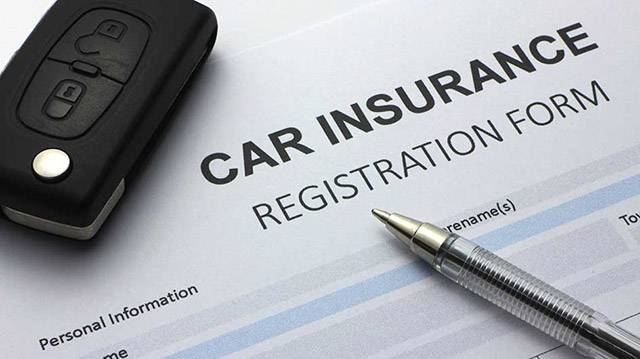
To obtain car insurance, you typically need proof of identification (such as a driver’s license), vehicle registration showing ownership, and details about the vehicle. Additionally, information on previous insurance history and payment details are required. These documents help insurance companies assess risk factors and determine premiums. If you want to guarantee a smooth process and accurate coverage, gathering these documents is essential.

Proof of Identification

Valid proof of identification is an essential requirement when applying for car insurance. Insurance companies need to verify the identity of the policyholder to ensure the accuracy of the information provided and to prevent fraud.

When applying for car insurance, individuals typically need to present a government-issued ID such as a driver’s license, passport, or state ID card. These documents contain important information such as name, date of birth, and address, which are necessary for accurately identifying the policyholder.

It is important to verify that the information on the identification documents matches the details provided in the insurance application. Discrepancies can lead to delays in processing the application or even result in the denial of coverage. Providing valid proof of identification helps establish credibility and trust between the policyholder and the insurance provider.

Thus, it is essential to have these documents readily available when applying for car insurance to streamline the process and ensure a smooth transaction.

Vehicle Registration

When obtaining car insurance, the first important document to take into account is the vehicle’s registration. This document serves as proof of ownership and is required by the state for all registered vehicles.

Additionally, the vehicle registration provides essential information about the car’s insurance history, aiding insurers in evaluating risk factors and determining appropriate coverage.

Proof of Ownership

To obtain car insurance, one essential document required is proof of ownership, typically demonstrated through vehicle registration. Vehicle registration serves as confirmation that you are the legal owner of the car you intend to insure. This document contains crucial information such as the vehicle identification number (VIN), make, model, and year of the car. It also includes details about the registered owner, which should match the name of the individual seeking insurance coverage.

When providing proof of ownership for car insurance purposes, make certain that the vehicle registration is current and accurately reflects the details of the vehicle. Insurance companies rely on this document to verify ownership and assess the risk associated with insuring your car. Inaccurate or outdated registration information could lead to delays in processing your insurance application or potential issues with claims in the future.

Having your vehicle registration readily available when applying for car insurance can streamline the process and help you obtain coverage efficiently. It is a fundamental document that demonstrates your legal right to insure the vehicle in question.

State Requirements

Understanding the specific state requirements regarding vehicle registration is crucial when securing car insurance coverage. Each state has its own regulations concerning vehicle registration, which often include providing proof of registration when obtaining car insurance. Typically, states mandate that vehicles must be registered in the state where they are primarily driven.

This means that when applying for car insurance, you may need to present your vehicle registration documents to prove compliance with state laws.

Additionally, states may have specific registration renewal periods, requiring vehicles to be re-registered annually or biennially. Failure to renew your registration on time could result in penalties or fines, impacting your ability to maintain valid car insurance coverage.

It is essential to stay informed about your state’s registration requirements to ensure that your vehicle remains compliant and properly insured.

Before seeking car insurance, verify the registration requirements in your state to prevent any issues with coverage eligibility. Being proactive in understanding and meeting these requirements can help streamline the insurance application process and ensure you have the necessary documentation for coverage.

Insurance History

An essential aspect of securing car insurance coverage is maintaining a clear and up-to-date insurance history through vehicle registration documentation. Vehicle registration documents provide vital information to insurance providers regarding the vehicle’s ownership, past insurance coverage, and any previous claims made. These documents typically include details such as the vehicle identification number (VIN), the owner’s name and address, registration expiration date, and any lienholder information.

Insurance companies rely on this information to assess the risk associated with insuring a particular vehicle and driver. A thorough insurance history demonstrates responsible ownership and can result in lower insurance premiums. On the other hand, a spotty insurance record with gaps in coverage or a history of frequent claims may lead to higher premium costs or difficulties in securing coverage.

To streamline the insurance application process and ensure accurate quoting, it is imperative to have all vehicle registration documents readily available when seeking car insurance. By maintaining a clean insurance history, drivers can potentially save money on insurance costs and enjoy the protection and peace of mind that comprehensive coverage provides.

Driver’s License

When applying for car insurance, one essential document that is required is the driver’s license. Your driver’s license serves as proof of your identity, age, and driving qualifications.

It is important to verify that your driver’s license is valid and up-to-date when obtaining car insurance.

Proof of Address

Establishing residency is an essential step in providing proof of address for car insurance purposes, typically accomplished through the submission of a valid driver’s license. Your driver’s license serves as a primary form of identification and proof of address, indicating where you reside and drive your vehicle.

Car insurance companies require this document to verify your personal information and ensure that you meet the state’s residency requirements for coverage.

When submitting your driver’s license as proof of address for car insurance, it is important to make certain that the address listed on your license matches the address where your vehicle is primarily kept. Discrepancies in addresses may lead to complications during the underwriting process and could potentially impact your coverage or premiums.

Need SR-22 insurance assistance? CALL our licensed Agents (Mon-Fri, 8am – 5pm PST)  for personalized guidance

(833) 568-8076

To avoid any issues, make sure to update your driver’s license with your current address if you have recently moved. Keeping your information current and accurate will streamline the insurance application process and help you obtain the coverage you need efficiently.

Vehicle Registration

Residency confirmation through vehicle registration serves as an essential component for providing documentation related to car insurance. Vehicle registration establishes the link between the driver, the vehicle they are insuring, and the state in which they reside. Insurance companies require this documentation to verify that the vehicle being insured is legally owned and registered in the state where the policy is being issued.

When obtaining car insurance, individuals typically need to present their vehicle registration documents to the insurance provider. These documents contain important information such as the vehicle identification number (VIN), make, model, year, and license plate number. This information is critical for insurance companies to accurately assess the risk associated with insuring a particular vehicle.

Additionally, vehicle registration serves as proof that the vehicle meets the state’s minimum requirements for insurance coverage. Without valid registration, insurance providers may refuse to issue a policy or process a claim. Ensuring that your vehicle registration is up to date is essential for maintaining compliance with insurance regulations.

Vehicle Information

Understanding the specifications of your vehicle is essential when providing the necessary documents for car insurance. The insurance provider will require details such as the make, model, year, and vehicle identification number (VIN) of your car.

The make refers to the manufacturer of the vehicle, while the model specifies the particular version of that make. The year is important as it indicates the age of the vehicle, affecting its depreciation value. The VIN is a unique code assigned to every vehicle, allowing for accurate identification.

Additionally, insurers may inquire about the primary use of the vehicle, whether it’s for personal or commercial purposes. The mileage driven annually and where the car is parked overnight can also influence the insurance premium.

Furthermore, modifications or additional features installed in the vehicle should be disclosed to ensure proper coverage.

Providing accurate and detailed vehicle information is essential for obtaining the right insurance coverage tailored to your specific needs and circumstances.

Previous Insurance History

An important aspect to take into account when applying for car insurance is providing details about your previous insurance history. Insurance companies typically ask for information regarding your past auto insurance coverage to assess your risk profile accurately. When filling out an insurance application, you will likely be required to disclose details such as the duration of your previous coverage, any lapses in insurance, claims history, and the reasons for changing or terminating your prior policy.

Your previous insurance history plays a significant role in determining your new insurance premium. A consistent history of being insured without any coverage gaps or a record of making frequent claims can demonstrate to insurers that you are a responsible and lower-risk driver, potentially resulting in more favorable rates.

Conversely, gaps in insurance coverage or a history of numerous claims could lead to higher premiums due to the perceived increase in risk for the insurance provider. Therefore, it is essential to provide accurate and detailed information about your previous insurance history when applying for car insurance to make sure that you receive a fair and appropriate insurance quote based on your individual risk profile.

Payment Information

When finalizing your car insurance policy, providing accurate and up-to-date payment information is vital for ensuring seamless coverage activation. Insurance companies typically offer various payment options such as monthly installments, semi-annual, or annual payments. To set up your payment method, you will need to provide details such as your bank account number for direct debit, credit card information, or any other accepted payment forms.

It is important to confirm that the payment information you provide is correct to avoid any disruptions in your coverage due to failed payments. Keep in mind that some insurance companies may offer discounts for specific payment methods, such as paying in full upfront.

Additionally, be aware of any potential fees associated with late payments or returned payments, as these could impact your policy status.

Before finalizing your car insurance policy, carefully review the payment terms and conditions to understand your financial obligations and the consequences of any payment discrepancies. By providing accurate payment information and staying informed about your payment responsibilities, you can maintain continuous coverage and peace of mind on the road.

Conclusion

To sum up, obtaining car insurance necessitates several essential documents, such as proof of identification, vehicle registration, driver’s license, vehicle information, previous insurance history, and payment information.

It is crucial to have all necessary documentation to obtain coverage and adhere to legal requirements.

By making sure that all required documents are in order, individuals can confidently safeguard themselves and their vehicles while on the road.

Need SR-22 insurance assistance? CALL our licensed Agents (Mon-Fri, 8am – 5pm PST)  for personalized guidance

(833) 568-8076

Understanding the Importance of Premium Management

SR22 Form of Hawaii
Need SR-22 insurance assistance? CALL our licensed Agents (Mon-Fri, 8am – 5pm PST)  for personalized guidance

(833) 568-8076

Premium management plays a pivotal role in maintaining financial stability within the insurance sector. Through meticulous actuarial calculations and risk assessments, premiums are strategically allocated to various risk pools to guarantee profitability and mitigate potential losses. By categorizing policyholders based on risk factors, insurers can tailor premium offerings accordingly. Understanding the importance of premium management is essential for optimizing performance and market competitiveness. It sets the groundwork for sustainable growth and customer satisfaction. Discover more about the strategic pricing, market targeting, brand loyalty, and pricing strategies that contribute to long-term success in the insurance industry.

The Basics of Premium Management

Premium management in insurance operations involves strategic pricing and allocation to ensure financial stability. Actuarial calculation, a key component, uses data analysis to set competitive premiums that cover potential losses. Actuaries assess risk factors like demographic data, historical trends, and market conditions to predict future claims accurately.

The allocation of premiums to different risk pools is another crucial aspect of premium management. Insurers categorize policyholders based on risk factors to determine appropriate premiums. By accurately evaluating risk and assigning premiums accordingly, insurers can spread the financial burden of potential claims across a diverse pool. This practice not only safeguards against catastrophic losses but also promotes fairness and equity in premium pricing.

Benefits of Strategic Pricing

To begin with, strategic pricing in premium management plays a pivotal role in optimizing financial performance and enhancing risk mitigation strategies within the insurance industry. By strategically setting prices based on data analysis, market trends, and risk assessments, insurance companies can achieve several key benefits.

To start, strategic pricing helps insurers maintain profitability by ensuring that premiums align with the level of risk associated with insuring a particular individual or asset. This approach minimizes the likelihood of underpricing policies, which can lead to financial losses, or overpricing, which may result in a loss of customers to competitors.

Furthermore, strategic pricing enables insurers to attract and retain customers by offering competitive rates that reflect the value of coverage provided. This not only enhances customer satisfaction but also contributes to long-term customer loyalty and retention.

Additionally, by incorporating strategic pricing into premium management practices, insurers can better respond to market dynamics, regulatory changes, and emerging risks, thereby increasing their overall resilience and adaptability in a constantly evolving industry landscape.

Targeting the Right Markets

Effective premium management hinges on the precision of market segmentation strategies and thorough customer needs analysis.

By identifying distinct market segments and understanding their specific requirements, businesses can tailor their premium offerings to meet the unique demands of each target group.

This targeted approach not only enhances customer satisfaction but also drives profitability through increased value perception and loyalty.

Market Segmentation Strategies

Utilizing market segmentation strategies is imperative for businesses aiming to effectively target specific consumer segments with tailored products or services. By dividing the market into distinct groups based on factors such as demographics, psychographics, behavior, and geography, companies can better understand the needs and preferences of different customer segments. This allows businesses to create targeted marketing campaigns, develop products that resonate with specific audiences, and ultimately drive higher customer satisfaction and loyalty.

Market segmentation strategies also enable companies to allocate resources more efficiently by focusing on high-potential market segments, thereby maximizing return on investment. For example, a luxury car manufacturer may target affluent consumers who value prestige and performance, while a budget airline may focus on price-sensitive travelers looking for cost-effective options.

Customer Needs Analysis

Conducting a thorough customer needs analysis is paramount in identifying and targeting the most lucrative markets for a business’s products or services. By understanding the specific requirements, preferences, and pain points of different customer segments, companies can tailor their offerings to meet these needs effectively.

Customer needs analysis involves collecting and analyzing data from various sources such as surveys, feedback, market trends, and competitor analysis to gain insights into what drives purchasing decisions.

Through this analysis, businesses can identify distinct market segments with unique demands and characteristics. This segmentation allows for the creation of targeted marketing strategies that resonate with specific customer groups, increasing the likelihood of conversion and customer retention.

Moreover, by aligning product development and innovation with identified customer needs, companies can stay ahead of the competition and foster long-term customer loyalty.

Enhancing Brand Image

Elevating brand image is a fundamental aspect of establishing a strong market presence and fostering customer loyalty in today’s competitive business landscape. A positive brand image not only attracts new customers but also retains existing ones. Studies have shown that consumers are more likely to trust and purchase from brands that have a reputable and recognizable image.

Enhancing brand image involves various strategies, such as maintaining consistent branding across all channels, delivering high-quality products or services, and engaging in meaningful interactions with customers through social media and other platforms.

In addition, a strong brand image can also lead to increased customer loyalty, as customers tend to develop an emotional connection with brands they trust and perceive positively. This emotional bond can translate into repeat purchases, positive word-of-mouth recommendations, and a higher willingness to pay premium prices for products or services.

Businesses that prioritize enhancing their brand image are more likely to succeed in building long-term relationships with their customers and standing out in the competitive market.

Building Customer Loyalty

How can businesses effectively cultivate and strengthen customer loyalty in the competitive marketplace? Building customer loyalty is essential for businesses aiming to secure long-term success. Research shows that loyal customers are more likely to make repeat purchases, spend more per transaction, and even recommend the brand to others.

To foster customer loyalty, businesses can implement strategies such as personalized marketing campaigns based on customer preferences, excellent customer service experiences, loyalty programs offering rewards or discounts, and actively seeking and responding to customer feedback.

Moreover, creating a seamless omnichannel experience where customers can interact with the brand consistently across various platforms can also enhance customer loyalty. Data analytics plays a significant role in understanding customer behavior, preferences, and trends, allowing businesses to tailor their strategies effectively.

Need SR-22 insurance assistance? CALL our licensed Agents (Mon-Fri, 8am – 5pm PST)  for personalized guidance

(833) 568-8076

Maximizing Profitability

Achieving maximum profitability requires a strategic approach that encompasses efficient cost management, revenue optimization, and smart investment decisions.

Cost management involves identifying areas where costs can be reduced without compromising quality, such as streamlining operations, negotiating better supplier terms, or implementing automation.

By optimizing revenue streams, a company can increase its overall profitability. This can be achieved through strategies like upselling, cross-selling, or adjusting pricing based on market demand.

Furthermore, important investment decisions play a vital role in maximizing profitability. Investing in technologies that improve efficiency, expanding into new markets with growth potential, or diversifying product offerings can all contribute to increased profitability.

Analyzing financial data and market trends is essential for making informed investment decisions that align with the company’s overall profitability goals.

Strategies for Pricing Success

Effectively setting prices is a critical aspect of a company’s overall success in the market. Pricing strategies play a pivotal role in determining a company’s competitiveness, profitability, and long-term sustainability.

One key strategy for pricing success is value-based pricing, where prices are set based on the perceived value of the product or service to the customer. This approach requires a deep understanding of customer needs, preferences, and willingness to pay.

Another effective strategy is competitive pricing, whereby prices are set in alignment with competitors to capture market share or differentiate based on price. Dynamic pricing is also gaining popularity, where prices fluctuate based on demand, seasonality, or other market conditions to optimize revenue.

Moreover, psychological pricing tactics, such as using charm prices ($9.99 instead of $10) or bundle pricing, can influence consumer behavior and increase sales.

To guarantee pricing success, companies must continually analyze market trends, customer feedback, and internal cost structures to adjust pricing strategies accordingly. By implementing a well-thought-out pricing strategy, companies can drive growth, enhance profitability, and maintain a competitive edge in the market.

Long-Term Success in Market

For companies aiming to secure long-term success in the market, strategic planning and adaptability are key factors to take into account. Strategic planning involves setting clear goals, identifying market trends, understanding customer needs, and developing competitive advantages. Companies that engage in strategic planning are better equipped to navigate market uncertainties and capitalize on opportunities for growth.

Adaptability is equally essential for long-term success. Markets are constantly evolving, driven by technological advancements, changing consumer preferences, and competitive pressures. Companies that can quickly adapt their strategies, product offerings, and operations to meet these shifting dynamics are more likely to stay ahead of the curve and remain relevant in the market.

Long-term success also requires a deep understanding of the competitive landscape, customer behavior, and industry regulations. By leveraging data analytics, market research, and customer feedback, companies can make informed decisions that position them for sustained growth and profitability.

Ultimately, companies that prioritize strategic planning, adaptability, and data-driven decision-making are better positioned to achieve long-term success in the market.

Conclusion

Ultimately, premium management plays a vital role in maximizing profitability, enhancing brand image, and building customer loyalty.

By strategically pricing products and targeting the right markets, businesses can achieve long-term success in their industry.

Implementing effective pricing strategies is essential for staying competitive and meeting the demands of the market.

With a focus on premium management, companies can drive growth and maintain a strong position in the marketplace.

Need SR-22 insurance assistance? CALL our licensed Agents (Mon-Fri, 8am – 5pm PST)  for personalized guidance

(833) 568-8076

Performing a Drivers License Search

Need SR-22 insurance assistance? CALL our licensed Agents (Mon-Fri, 8am – 5pm PST)  for personalized guidance

(833) 568-8076

Performing a driver’s license search is essential for verifying identity, maintaining compliance, and guarding against potential risks such as identity theft and fraud. It involves confirming legal authorization and safeguarding confidentiality. Methods can be online for speed or offline for more in-depth searches. Gather all necessary information, use authorized platforms, and pay attention to specific details in search results. Knowing license status, driving history, and privacy protection measures is vital for decision-making. Safeguard privacy, use secure databases, and rely on authorized agencies for reliable and compliant searches. Following these steps will ensure efficient and accurate results.

Importance of Driver’s License Search

Performing a driver’s license search is essential for verifying an individual’s identity and ensuring compliance with regulations. By conducting a driver’s license search, organizations can confirm a person’s identity by matching the information provided against official records. This process helps to mitigate the risks associated with identity theft or fraud, ensuring that individuals are who they claim to be.

Moreover, driver’s license searches are critical for businesses that require employees to operate vehicles as part of their job responsibilities. Verifying the validity of a driver’s license can help companies guarantee that their employees have the necessary qualifications and credentials to perform their duties safely and legally. This not only protects the organization from potential liability issues but also safeguards the well-being of employees and the general public.

In addition, driver’s license searches play an important role in regulatory compliance. Certain industries, such as transportation and logistics, are subject to specific regulations regarding driver qualifications and licensing. By conducting regular driver’s license searches, companies can demonstrate their commitment to upholding these regulations and promoting a culture of safety and accountability within their operations.

Legal Considerations for Search

Conducting a driver’s license search involves addressing different legal considerations that are essential for ensuring compliance and protecting individuals’ rights. One pivotal aspect to ponder is obtaining proper authorization before conducting a search. This typically involves obtaining consent from the individual whose driver’s license information is being accessed. Without proper consent, conducting a search may violate privacy laws and regulations.

Additionally, it is important to guarantee that the search is conducted for legitimate purposes. Misusing driver’s license information or conducting searches for unlawful reasons can lead to legal consequences. Understanding and adhering to state and federal laws regarding the retrieval and use of driver’s license information is paramount.

Moreover, safeguarding the confidentiality and security of the information obtained during the search is crucial. It is essential to store and handle the data in a manner that complies with data protection regulations to prevent unauthorized access or misuse.

Online Vs. Offline Search Methods

When considering driver’s license searches, it is essential to understand the distinctions between online and offline search methods. Online search methods provide convenience and speed, allowing users to access databases and conduct searches from anywhere with an internet connection. These online platforms often require users to input specific information, such as the driver’s name, date of birth, and state of issuance, to retrieve accurate results. While online searches are efficient, they may come with a fee depending on the service provider.

On the other hand, offline search methods involve physically visiting relevant government offices, such as the Department of Motor Vehicles (DMV) or local law enforcement agencies, to request driver’s license information. This traditional approach can be time-consuming and less convenient compared to online methods.

However, offline searches may be necessary in certain situations where online databases do not provide the required information or for legal purposes that mandate official documentation.

Steps to Conduct a Search

To successfully conduct a driver’s license search, it is essential to understand the search process overview and know how to access official databases.

These steps are vital in ensuring accurate and reliable results when verifying driver’s license information.

Search Process Overview

To initiate a driver’s license search, one must first navigate through a series of structured steps designed to guarantee thorough results. The search process overview typically begins with gathering essential information such as the full name, date of birth, and state of residence of the individual whose driver’s license is being searched.

Once this information is compiled, the next step involves determining the purpose of the search and selecting the appropriate method to conduct it, whether through online databases, public records, or third-party services. Following this, the searcher needs to confirm compliance with all legal requirements and regulations governing driver’s license searches to maintain the confidentiality and legality of the process.

After confirming the search criteria, the actual search can be conducted by inputting the gathered information into the chosen search platform and carefully reviewing the results for accuracy and relevance. Finally, the searcher must document the findings and proceed with any necessary follow-up actions based on the outcomes of the search.

Accessing Official Databases

One essential step in conducting a driver’s license search is accessing official databases to gather accurate and up-to-date information. To access official databases, you will need to use authorized platforms or services that have permission to retrieve information from government records. These databases contain a wealth of information related to driver’s licenses, including details about the license holder, any violations or tickets associated with the license, and the current status of the license.

When accessing official databases for a driver’s license search, it is vital to make sure that you have the necessary permissions to conduct the search. Depending on the jurisdiction, there may be specific requirements or restrictions on who can access this information. It is essential to follow all legal guidelines and requirements when accessing official databases to avoid any legal repercussions.

Understanding Search Results

When understanding search results from a driver’s license search, it is essential to interpret search criteria accurately to obtain relevant information.

Identifying the license status from the results can provide important insights into the validity and standing of the driver’s license.

Additionally, reviewing the driving history can offer a thorough overview of past violations and incidents that may impact decision-making processes.

Interpreting Search Criteria

Understanding search criteria is essential for accurately interpreting and making sense of driver’s license search results. When interpreting search criteria, it is important to pay attention to the specific information provided in the search results. This includes details such as the driver’s name, date of birth, address, license number, and any restrictions or endorsements on the license.

Moreover, understanding the search criteria involves recognizing the significance of each piece of information in relation to the search purpose. For example, if the search is being conducted to verify a person’s identity, confirming that the name and date of birth match the individual in question is crucial. On the other hand, if the search is intended to check the validity of a license for employment purposes, confirming the license status and any endorsements becomes essential.

In essence, interpreting search criteria requires a meticulous examination of the data provided in the search results and a clear understanding of how each detail contributes to achieving the desired outcome.

Need SR-22 insurance assistance? CALL our licensed Agents (Mon-Fri, 8am – 5pm PST)  for personalized guidance

(833) 568-8076

Identifying License Status

An essential aspect of interpreting driver’s license search results is accurately identifying the license status based on the information provided. License status refers to the current standing of a driver’s license, which can vary from valid to suspended or revoked.

When reviewing search results, it is important to look for indicators such as the license expiration date, any restrictions or endorsements, and any remarks indicating if the license is active or inactive.

One common status is ‘Valid,’ indicating that the license is in good standing and can be used for driving purposes. On the other hand, a ‘Suspended’ status implies that the driving privileges associated with the license have been temporarily withdrawn. A ‘Revoked’ status is more severe, indicating a permanent termination of the license.

Understanding these distinctions is crucial for making informed decisions regarding individuals’ driving capabilities and compliance with regulations. By accurately identifying the license status from search results, you can assess the individual’s eligibility to operate a vehicle and whether there are any legal restrictions associated with their driving privileges.

Reviewing Driving History

Reviewing the driving history through driver’s license search results provides valuable insights into an individual’s past records and behavior on the road. When examining these results, it is essential to look for any traffic violations, accidents, or citations that may indicate a pattern of reckless driving. Understanding the frequency and severity of these incidents can help assess the level of risk a driver may pose on the road.

Additionally, reviewing the driving history can reveal any license suspensions or revocations that have occurred. This information is important in determining if an individual has complied with traffic laws and regulations or if they have a history of non-compliance that could potentially endanger themselves and others on the road.

Moreover, analyzing the driving history can also provide details on the validity of the license, expiration dates, and any restrictions that may be in place. This thorough overview allows for a detailed evaluation of an individual’s driving behavior and history, aiding in decision-making processes related to insurance, employment, or other relevant matters.

Protecting Privacy During Search

Ensuring the protection of individuals’ privacy rights is paramount during any driver’s license search procedure. Privacy concerns are vital when handling sensitive personal information such as driving records.

To safeguard privacy during a driver’s license search, it is essential to adhere to strict confidentiality protocols. Authorized personnel conducting the search must guarantee that they only access the information for legitimate purposes and that they do not disclose any details to unauthorized individuals. Additionally, using secure databases and encryption methods can help prevent unauthorized access to the data.

When performing a driver’s license search, it is imperative to obtain consent from the individual or have a valid legal basis for accessing their information. This ensures that privacy rights are respected, and data protection regulations are followed.

Moreover, implementing regular training sessions for staff members on privacy policies and laws can help maintain a high level of awareness and compliance when handling sensitive information.

Benefits of Using Authorized Agencies

Utilizing accredited agencies for driver’s license searches provides a range of advantages in relation to efficiency and accuracy. Authorized agencies have direct access to official databases, guaranteeing that the information retrieved is up-to-date and reliable. This eliminates the need for individuals to navigate complex government systems, saving time and reducing the likelihood of errors in the search process.

Moreover, accredited agencies are well-versed in the legal requirements and restrictions associated with accessing driver’s license information. This expertise helps make sure that searches are conducted in compliance with relevant laws and regulations, reducing the risk of potential legal complications.

Additionally, authorized agencies often offer streamlined processes for conducting driver’s license searches. By leveraging their established connections and resources, these agencies can provide results quickly and efficiently, allowing individuals to obtain the information they need in a timely manner.

Tips for Efficient Search Execution

Efficient execution of driver’s license searches requires a strategic approach to maximize accuracy and speed. To enhance the efficiency of the search process, it is essential to gather all pertinent information about the individual whose driver’s license you are looking to find. This includes details such as full name, date of birth, address, and any known license numbers. Utilizing reliable and reputable online databases or authorized agencies can streamline the search process greatly.

Moreover, it is vital to double-check all the information entered before initiating the search to avoid any errors that could lead to inaccurate results or delays. Prioritizing the accuracy of the data inputted will help guarantee that the search yields the desired information promptly.

Additionally, staying organized throughout the search process by keeping track of search criteria and results can further enhance efficiency.

Conclusion

To sum up, carrying out a driver’s license search is an essential process that demands attention to legal regulations, privacy protection, and efficient execution. By utilizing authorized agencies and understanding search results, individuals can obtain accurate information while ensuring compliance with laws and regulations.

Conducting a driver’s license search can provide valuable insights and information that can aid in various personal and professional endeavors.

Need SR-22 insurance assistance? CALL our licensed Agents (Mon-Fri, 8am – 5pm PST)  for personalized guidance

(833) 568-8076

Call Us Now