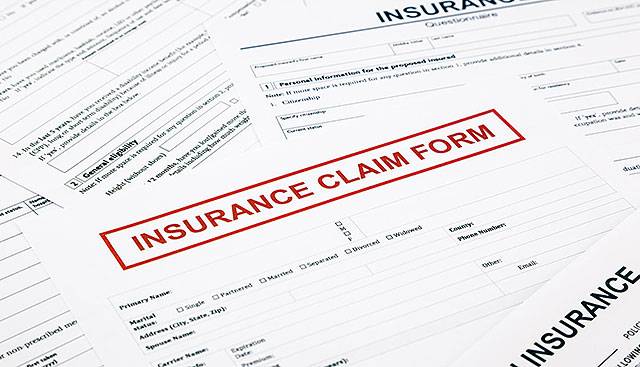
What Is SR-22 Filing for High-Risk Drivers?

Need SR-22 insurance assistance? CALL our licensed Agents (Mon-Fri, 8am – 5pm PST)  for personalized guidance

(833) 568-8076

SR-22 filing is an important certificate that high-risk drivers must obtain, indicating they have the minimum required liability insurance as mandated by state authorities. Typically needed for individuals with serious driving infractions or license suspensions, the SR-22 filing signifies financial responsibility to the state. Failure to uphold this filing can lead to penalties such as license suspension. Understanding the nuances of SR-22 filing and its implications is vital for high-risk drivers to navigate insurance requirements successfully.

Understanding SR-22 Insurance

When it comes to understanding SR-22 insurance, it is essential to grasp the specific purpose and implications of this type of coverage for high-risk drivers. SR-22 insurance is not actually an insurance policy but rather a certificate that proves a driver has the minimum required liability insurance. This certificate is typically required for drivers who have been convicted of serious driving offenses or have had their license suspended.

The primary purpose of SR-22 insurance is to demonstrate financial responsibility on behalf of the driver. It serves as a way for state authorities to monitor high-risk drivers and guarantee they are meeting their insurance obligations. Failure to maintain SR-22 coverage can result in serious consequences, such as license suspension or fines.

It is important to note that SR-22 insurance can be more expensive than traditional insurance due to the increased risk associated with the driver. However, it is a necessary step for high-risk drivers to reinstate their driving privileges and show their commitment to safe and responsible driving practices.

Who Needs SR-22 Filing

Determining the necessity of SR-22 filing requires consulting with the state’s Department of Motor Vehicles or a legal professional to assess specific circumstances related to a driver’s history and legal requirements. Individuals who may need SR-22 filing typically fall into the category of high-risk drivers. This includes those convicted of serious traffic offenses such as DUI or DWI, driving without insurance, multiple at-fault accidents, or driving with a suspended or revoked license.

Additionally, drivers who accumulate a high number of points on their driving record within a short period may also be required to obtain an SR-22.

Furthermore, individuals who are involved in an accident without insurance coverage or fail to meet the state’s financial responsibility requirements may need to file an SR-22 form. It is important to consult with the state’s Department of Motor Vehicles or a legal professional to determine whether SR-22 filing is necessary based on specific circumstances.

Failure to comply with SR-22 requirements can result in penalties such as license suspension or vehicle registration revocation.

SR-22 Coverage Requirements

High-risk drivers required to file an SR-22 form must comply with specific coverage requirements mandated by their state’s Department of Motor Vehicles. The SR-22 form itself is not an insurance policy but rather a document that proves a driver has the minimum required insurance coverage in place.

This coverage typically includes liability insurance to cover damages and injuries to others in the event of an accident where the high-risk driver is at fault.

States may have different minimum coverage requirements for drivers filing an SR-22, so it is important for individuals in this category to understand and meet those specific requirements.

In addition to liability coverage, some states may mandate additional coverage types such as uninsured motorist coverage or personal injury protection. It is essential for high-risk drivers to work closely with their insurance provider to make sure that they have the appropriate coverage in place to meet the SR-22 filing requirements of their state.

Failure to maintain the necessary coverage could result in further penalties or the suspension of driving privileges.

Impact on Insurance Premiums

Understanding the impact of SR-22 filings on insurance premiums is vital for high-risk drivers.

The relationship between SR-22 and insurance costs can greatly affect one’s financial obligations.

Explaining the cost implications associated with SR-22 coverage provides valuable insight into how this requirement affects insurance premiums.

Premiums and SR-22

The presence of an SR-22 filing can greatly affect insurance premiums for high-risk drivers. When an individual is required to have an SR-22 on file, insurance companies view them as a higher risk to insure due to previous driving incidents. As a result, the insurance premiums for drivers with an SR-22 tend to be substantially higher than those without one.

Insurance premiums are determined based on various factors, including driving history, age, location, and the presence of an SR-22 filing. High-risk drivers with an SR-22 may see their premiums increase significantly compared to what they were paying before the filing was required. The specific amount of the increase varies depending on the insurance company, the driver’s history, and the reason for needing the SR-22.

In essence, the presence of an SR-22 filing signals to insurance providers that the driver poses an increased risk, leading to higher insurance premiums as a way for the company to mitigate that risk.

Cost Implications Explained

When an individual is mandated to file an SR-22, the impact on their insurance premiums can be substantial. SR-22 filing is often required for high-risk drivers with serious violations such as DUIs or multiple at-fault accidents. As a result, insurance companies view these drivers as higher risks to insure, leading to increased premiums.

The cost implications of an SR-22 filing are significant. High-risk drivers filing an SR-22 may experience a sharp rise in their insurance premiums. This increase is due to the insurance provider now having to cover a driver who they consider more likely to be involved in accidents or violations, posing a greater financial risk to the company.

Moreover, the duration for which an individual needs to maintain an SR-22 filing, typically three years, means that the elevated premiums will be a long-term financial burden.

It is essential for high-risk drivers to understand the cost implications of SR-22 filing and to explore all available options to potentially lower their premiums over time.

Need SR-22 insurance assistance? CALL our licensed Agents (Mon-Fri, 8am – 5pm PST)  for personalized guidance

(833) 568-8076

SR-22 Process Explained

An in-depth understanding of the SR-22 process is vital for high-risk drivers seeking to fulfill their legal requirements.

The SR-22 process involves obtaining an SR-22 form from an authorized insurance company and submitting it to the relevant state department as proof of financial responsibility.

To initiate the process, individuals must contact their insurance provider to request an SR-22 filing. The insurance company will then communicate directly with the state on the driver’s behalf to file the necessary documentation.

Once the SR-22 form is submitted, the state will be notified of the driver’s compliance with the mandated insurance coverage. It’s important for high-risk drivers to maintain continuous coverage throughout the required period to avoid any lapses that could result in further penalties or license suspension.

Understanding the SR-22 process ensures that drivers meet their legal obligations and can eventually work towards improving their driving record.

Benefits of SR-22 Filing

SR-22 filing offers high-risk drivers the benefit of ensuring legal compliance. It provides peace of mind in meeting state requirements for maintaining valid auto insurance.

Additionally, this process verifies insurance eligibility, which can be vital for those seeking coverage after being deemed high-risk.

Lastly, maintaining an SR-22 can lead to a gradual improvement in one’s driving record. This reflects positively on future insurance rates and overall driving standing.

Legal Compliance Assurance

Ensuring legal compliance through the process of SR-22 filing provides high-risk drivers with a tangible means of demonstrating financial responsibility to state authorities. By requiring drivers to obtain an SR-22 form, state authorities have a mechanism to monitor these individuals’ adherence to mandated insurance requirements. This filing serves as proof that the driver has obtained the necessary liability coverage, assuring the state that they can cover damages in the event of an accident.

Furthermore, for high-risk drivers, having an SR-22 filing in place can help them regain their driving privileges after license suspension or revocation due to serious traffic violations. It acts as a safeguard for both the driver and other road users by ensuring that the driver remains compliant with insurance regulations.

Failure to maintain the SR-22 filing can result in further penalties, emphasizing the importance of continuous adherence to legal requirements for high-risk drivers seeking to improve their standing with authorities.

Insurance Eligibility Verification

By verifying insurance eligibility, SR-22 filing offers high-risk drivers a pathway to demonstrate their financial responsibility and secure the necessary coverage to meet state requirements. This process involves the insurance company providing proof of coverage directly to the state on behalf of the driver, ensuring compliance with mandated insurance regulations.

One of the key benefits of this verification is that it allows individuals with a history of driving violations or accidents to obtain or maintain their driver’s license legally. Additionally, by confirming insurance eligibility through an SR-22 filing, high-risk drivers may also have the opportunity to improve their insurance rates over time as they demonstrate consistent and responsible driving behavior.

This verification mechanism not only benefits the driver by enabling them to fulfill legal obligations but also serves as a tool for insurance companies to monitor and assess risk accurately, leading to a more informed and balanced insurance market.

Driving Record Improvement

Demonstrating consistent and responsible driving behavior through SR-22 filing can lead to notable improvements in one’s driving record over time. By maintaining continuous coverage and avoiding further infractions, individuals with SR-22 filings can gradually enhance their driving records. Insurance companies and authorities view this sustained adherence to traffic laws and insurance requirements positively, which can reflect favorably on the driver’s record.

Over time, as the SR-22 filing period progresses without any incidents or violations, drivers may see a gradual improvement in their overall driving record. This positive trend can result in lower insurance premiums, increased trust from insurance providers, and improved standing with the Department of Motor Vehicles.

Building a solid track record of responsible driving habits is essential for those with SR-22 filings, as it not only fulfills legal obligations but also opens up opportunities for better insurance rates and increased driving privileges in the future.

Common Misconceptions About SR-22

One prevalent misunderstanding regarding SR-22 filings is that it is a form of insurance itself, rather than a certificate verifying insurance coverage. An SR-22 filing is not an insurance policy; instead, it is a document that proves you have met the state’s minimum auto insurance requirements after being classified as a high-risk driver due to serious traffic offenses or multiple violations.

Another common misconception is that obtaining an SR-22 automatically means markedly higher insurance premiums. While it is true that high-risk drivers may see an increase in their insurance rates due to their driving history, the actual impact on premiums can vary depending on the insurance provider and the driver’s specific circumstances.

Additionally, some individuals believe that once they no longer need an SR-22, their driving record will instantly improve. However, the SR-22 filing itself does not enhance your driving record; it simply serves as a monitoring tool for the state and your insurance company to make sure you maintain continuous coverage.

Maintaining SR-22 Compliance

To guarantee ongoing compliance with an SR-22 filing, high-risk drivers must maintain continuous and valid car insurance coverage as mandated by their state’s requirements. This means that drivers must make sure their insurance policy remains active without any lapses or cancellations during the period stipulated by the court or state.

It is essential to stay up to date with premium payments to avoid any disruptions in coverage. If there are changes in the policy, such as switching insurance providers or modifications in coverage levels, it is important to promptly update the SR-22 filing with the relevant authorities.

Failure to maintain continuous insurance coverage can result in serious consequences, including license suspension or revocation. Therefore, it is imperative for high-risk drivers to strictly adhere to the insurance requirements outlined in their SR-22 filing to fulfill their legal obligations and avoid further penalties or complications related to their driving status.

SR-22 and License Reinstatement

Reinstating a driver’s license after a suspension often involves fulfilling the requirement of obtaining an SR-22 filing as mandated by the state. An SR-22 form is a document that proves a driver has the minimum required auto insurance coverage as per state regulations.

Once a driver’s license is suspended due to offenses like DUI convictions or driving without insurance, the state may require an SR-22 filing to reinstate the license. To initiate the process, the driver typically needs to contact their insurance provider to file the SR-22 on their behalf. The insurance company then submits the form to the state’s Department of Motor Vehicles (DMV) as proof of financial responsibility.

After the DMV receives the SR-22 form and any other required documents, such as fee payments or completion of a driver improvement course, the driver’s license may be reinstated. It is important for high-risk drivers to maintain continuous insurance coverage and SR-22 filing to avoid further license suspensions.

Comparing SR-22 Providers

When evaluating SR-22 providers, it is vital to consider factors such as coverage options, pricing, and customer service quality. Coverage options vary among providers, so it is important to make sure that the policy meets the specific requirements mandated by the state for SR-22 filings. Some providers may offer additional benefits or discounts that could be advantageous for high-risk drivers.

Pricing is another significant factor to consider when comparing SR-22 providers. While cost is important, it is also crucial to understand what is included in the policy and whether there are any hidden fees. Obtaining quotes from multiple providers can help in determining the most competitive option.

Customer service quality is key, especially for high-risk drivers who may have more complex needs. A provider with responsive and supportive customer service can make a significant difference in managing the SR-22 filing process smoothly. Reading reviews and seeking recommendations can provide insights into the level of customer service offered by different SR-22 providers.

Conclusion

To sum up, SR-22 filing is a necessary requirement for high-risk drivers to prove financial responsibility to the state.

It is important to understand the coverage requirements, impact on insurance premiums, and the process of obtaining and maintaining SR-22.

By comparing different SR-22 providers and ensuring compliance with the regulations, drivers can work towards reinstating their licenses and improving their driving records.

Need SR-22 insurance assistance? CALL our licensed Agents (Mon-Fri, 8am – 5pm PST)  for personalized guidance

(833) 568-8076

3 Best High-Risk Driver Coverage Options for Young Drivers

Need SR-22 insurance assistance? CALL our licensed Agents (Mon-Fri, 8am – 5pm PST)  for personalized guidance

(833) 568-8076

For young drivers classified as high-risk, three top coverage options include SR-22 insurance, high-risk driver discounts, and specialized young driver programs. SR-22 insurance provides proof of minimum coverage for convictions like DUIs. High-risk driver discounts, such as defensive driving course completion, offer cost savings. Specialized young driver programs focus on enhancing skills like defensive driving and hazard awareness through hands-on practice. By exploring these options, young drivers can access the best coverage tailored to their needs and potentially reduce the financial impact associated with high-risk insurance.

SR-22 Insurance Coverage

When considering high-risk driver coverage options, one important aspect to explore is SR-22 insurance coverage, which is often required for individuals with a history of driving violations. An SR-22 is not an insurance policy itself but rather a certificate that proves a driver has the minimum required insurance coverage as mandated by the state. This form is typically necessary for drivers who have been convicted of offenses such as driving under the influence, driving without insurance, or multiple traffic violations.

SR-22 insurance coverage serves as a guarantee to the state that a high-risk driver is meeting their financial responsibility requirements. It is essential for individuals in this category to understand the implications of needing an SR-22, as failure to maintain this coverage can lead to serious consequences, including license suspension or revocation.

Additionally, it is important to note that SR-22 insurance often comes with higher premiums due to the increased risk associated with the driver’s history. Therefore, it is advisable for high-risk drivers to compare quotes from different insurers to find the most cost-effective option while meeting state requirements.

High-Risk Driver Discounts

Exploring potential discounts available to high-risk drivers can provide opportunities to mitigate the financial impact of their elevated insurance premiums. While high-risk drivers typically face higher insurance rates due to factors such as traffic violations or accidents on their record, there are still avenues for cost savings through discounts.

One common discount available to high-risk drivers is the defensive driving course discount. By completing an accredited defensive driving course, drivers can demonstrate their commitment to safe driving practices, potentially leading to lower premiums.

Additionally, some insurance providers offer discounts for installing safety features in the insured vehicle, such as anti-theft devices or monitoring systems that track driving behavior.

Furthermore, bundling multiple insurance policies with the same provider can often result in discounted rates for high-risk drivers. This approach allows drivers to consolidate their insurance needs, potentially saving money in the process.

Specialized Young Driver Programs

Specialized young driver programs offer targeted training and resources tailored to address the unique challenges faced by inexperienced drivers. These programs are designed to enhance young drivers’ skills, improve their understanding of road safety, and ultimately reduce the likelihood of accidents.

By focusing on areas such as defensive driving techniques, hazard awareness, and decision-making in complex situations, specialized programs aim to better prepare young drivers for the road.

One key benefit of specialized young driver programs is the opportunity for participants to learn from experienced instructors who can provide valuable insights and guidance. These programs often include a combination of classroom instruction and hands-on practice, allowing young drivers to develop their skills in a controlled environment.

Additionally, some specialized programs offer incentives such as insurance discounts for completing the training, making them a pivotal option for young drivers looking to improve their driving abilities.

Conclusion

To sum up, when it comes to young drivers considered high-risk, SR-22 insurance coverage, high-risk driver discounts, and specialized young driver programs are three valuable options to explore. Each option offers unique benefits and can assist young drivers in obtaining the necessary coverage they require.

It is crucial for young drivers to carefully assess these options and select the one that best fits their individual needs and circumstances. By investigating these options, young drivers can navigate the challenges of being a high-risk driver more effectively.

Need SR-22 insurance assistance? CALL our licensed Agents (Mon-Fri, 8am – 5pm PST)  for personalized guidance

(833) 568-8076

Top High-Risk Driver Coverage Tips for Young Drivers

Need SR-22 insurance assistance? CALL our licensed Agents (Mon-Fri, 8am – 5pm PST)  for personalized guidance

(833) 568-8076

To secure high-risk driver coverage for young drivers, focus on SR-22 insurance compliance and types of coverage tailored for poor records. Lower premiums by earning discounts, maintaining clean records, and comparing quotes. Choose coverage limits wisely by balancing needs and affordability. Keep coverage continuous for better rates and legal protection. Finally, seeking expert insurance guidance can provide detailed insights on specific risks, coverage options, and cost-saving strategies. Mastering these key tips guarantees young drivers navigate insurance complexities effectively.

Understanding SR-22 Insurance Requirements

To navigate the complexities of high-risk driver coverage, young drivers must first grasp the intricate details of SR-22 insurance requirements. An SR-22 form is not an insurance policy; rather, it is a document that proves a driver carries the minimum required liability insurance. This form is typically necessary for individuals with a history of driving violations, such as DUIs or multiple at-fault accidents. Understanding SR-22 insurance requirements is vital as failure to maintain this coverage can lead to serious consequences, including license suspension.

Young drivers seeking high-risk driver coverage should be aware that SR-22 requirements vary by state. It is important to familiarize oneself with the specific regulations in their state to guarantee compliance.

Additionally, not all insurance companies offer SR-22 filings, so it is essential to find an insurer that specializes in high-risk drivers and can provide the necessary documentation.

Types of High-Risk Driver Coverage

Understanding the various types of high-risk driver coverage is essential for young drivers grappling with the complexities of insurance options tailored to their driving profiles.

High-risk driver coverage typically includes SR-22 insurance, which is a certificate of financial responsibility required for individuals with previous driving violations. This type of coverage is often mandated by the state and proves that the driver has the minimum required auto insurance.

Additionally, non-standard insurance is available for high-risk drivers who may have a history of accidents, traffic violations, or poor credit. Non-standard insurance offers coverage at higher rates than standard insurance policies due to the increased risk associated with insuring these drivers.

Young drivers classified as high-risk can also opt for high-risk auto insurance companies specializing in providing coverage to drivers with challenging driving records. These companies offer tailored policies to meet the specific needs of high-risk individuals, albeit at a higher cost compared to standard insurance providers.

Tips for Lowering Premiums

To effectively manage the costs associated with high-risk driver coverage, young drivers should consider implementing premium reduction strategies and cost-saving measures. These tactics can help mitigate the financial burden of insurance premiums while still maintaining adequate coverage.

Premium Reduction Strategies

One effective approach to reduce insurance premiums for high-risk young drivers is to explore available discounts and incentives offered by insurance providers. Many insurance companies offer discounts for factors such as good student grades, completion of defensive driving courses, or installing safety devices in the vehicle. By taking advantage of these discounts, young drivers can greatly lower their premiums.

Another strategy to reduce premiums is to contemplate opting for a higher deductible. While this means paying more out of pocket in the event of a claim, it can result in lower monthly premiums. Young drivers should carefully assess their financial situation and driving habits to determine if a higher deductible is a viable option for them.

Additionally, maintaining a clean driving record is essential for lowering insurance premiums. Avoiding traffic violations and accidents demonstrates responsible driving behavior to insurance providers, which can lead to lower premiums over time. Young drivers should aim to drive safely and defensively to keep their record clean and enjoy reduced insurance costs.

Cost-Saving Measures

Exploring cost-saving measures is essential for young drivers seeking to lower their insurance premiums effectively. One effective strategy is to take advantage of discounts offered by insurance companies. Young drivers can often qualify for discounts by maintaining good grades, completing driver safety courses, or bundling their insurance policies. Additionally, opting for a higher deductible can result in lower premiums, although it is important for drivers to make sure they can afford the deductible in case of an accident.

Another cost-saving measure is to drive a vehicle with a lower insurance rating. Choosing a car with a high safety rating and lower risk of theft can lead to reduced insurance costs. Furthermore, practicing safe driving habits and avoiding traffic violations can help young drivers maintain a clean driving record, which is a key factor insurance companies consider when determining premiums.

To conclude, comparing quotes from multiple insurance providers can help young drivers find the most affordable coverage options that still meet their needs. By implementing these cost-saving measures, young drivers can effectively lower their insurance premiums.

Choosing the Right Coverage Limits

Determining appropriate coverage limits is an essential aspect for young drivers seeking high-risk driver coverage. Coverage limits refer to the maximum amount an insurance company will pay out for a claim. For young drivers categorized as high-risk, it is important to strike a balance between adequate coverage and affordability. When choosing coverage limits, factors such as state requirements, personal assets, driving habits, and financial situation should be considered.

Young drivers with limited assets may opt for lower coverage limits to save on premiums, but this could leave them vulnerable in case of a costly accident. On the other hand, selecting high coverage limits provides more protection but comes with higher premiums. It's advisable for young drivers to assess their individual circumstances to determine the appropriate coverage limits that suit their needs.

Moreover, understanding the different types of coverage such as liability, comprehensive, and collision can help young drivers tailor their coverage limits to best protect themselves and their assets in the event of an accident. By carefully evaluating their coverage needs and financial capabilities, young drivers can make informed decisions when selecting the right coverage limits for their high-risk driver insurance.

Importance of Maintaining Continuous Coverage

Maintaining continuous coverage is a vital aspect for young drivers managing high-risk driver insurance, guaranteeing ongoing protection and financial security in the face of potential risks. Consistent coverage demonstrates responsibility to insurance providers, potentially leading to lower premiums over time. Interruptions in coverage can result in higher rates or even difficulty in obtaining insurance in the future. Continuous coverage also helps to build a positive insurance history, which is essential for young drivers classified as high-risk.

Moreover, maintaining continuous coverage safeguards against unforeseen circumstances such as accidents or unexpected damages. Without continuous coverage, young drivers may face financial burdens if they have to pay out of pocket for repairs or medical expenses. Additionally, gaps in coverage can leave individuals vulnerable to legal consequences if involved in an accident without insurance.

Therefore, young drivers should prioritize maintaining continuous coverage to protect themselves financially and ensure they meet legal requirements. It is a proactive step towards managing high-risk driver insurance effectively.

Seeking Professional Insurance Advice

When it comes to managing the complexities of high-risk driver coverage, seeking professional insurance advice is paramount. Expert guidance can provide valuable insights into the best coverage options tailored to individual circumstances.

Consulting industry professionals can help young drivers make informed decisions and maximize the benefits of their insurance policies.

Need SR-22 insurance assistance? CALL our licensed Agents (Mon-Fri, 8am – 5pm PST)  for personalized guidance

(833) 568-8076

Expert Insurance Guidance

Professional insurance advice plays a pivotal role in understanding the intricacies of high-risk driver coverage for young drivers. Expert guidance from insurance professionals can provide valuable insights into the specific risks associated with young drivers, helping them navigate the complexities of insurance coverage tailored to their needs.

By seeking advice from experts in the field, young drivers can gain a thorough understanding of the various coverage options available to them, including liability coverage, all-encompassing coverage, and collision coverage.

Insurance professionals can also offer advice on ways to mitigate risk factors and potentially lower insurance premiums for young drivers. They can provide information on defensive driving courses, monitoring devices, and other strategies that may help demonstrate responsible driving behavior to insurance providers.

Additionally, expert guidance can assist young drivers in understanding the implications of their driving record on insurance rates and the importance of maintaining a clean record to secure affordable coverage.

Consult Industry Professionals

Seeking guidance from industry professionals is imperative for young drivers seeking thorough insights into high-risk driver coverage. Consulting with insurance experts can provide young drivers with a deeper understanding of the complexities of high-risk driver insurance and help them navigate the process more effectively. Industry professionals have the knowledge and experience to assess individual risk factors, identify suitable coverage options, and offer tailored advice to meet specific needs.

When consulting industry professionals, young drivers should come prepared with relevant information about their driving history, including any past accidents or traffic violations. This information allows professionals to make accurate assessments and provide appropriate recommendations for high-risk driver coverage.

Additionally, industry professionals can help young drivers understand the different coverage options available, such as liability, collision, and all-encompassing coverage, and assist in selecting the most suitable policies based on individual circumstances.

Professional Advice Benefits

To optimize their understanding of high-risk driver coverage intricacies, young drivers can leverage the invaluable benefits of seeking advice from seasoned insurance professionals. Professional advice offers young drivers a strategic advantage in maneuvering the complexities of high-risk insurance. These experts possess a deep understanding of the insurance landscape, including the specific challenges that high-risk drivers face. By tapping into their knowledge, young drivers can make informed decisions tailored to their unique circumstances.

Insurance professionals can provide personalized guidance on available coverage options, policy limits, and cost-saving strategies. This tailored approach guarantees that young drivers secure the most extensive coverage at competitive rates. Additionally, these professionals can offer insights into improving driving records, which can ultimately lead to lower premiums over time.

Moreover, seeking advice from insurance professionals instills confidence in young drivers, assuring them that they are making sound choices for their insurance needs. By proactively engaging with experts in the field, young drivers can proactively manage their high-risk driver status and work towards enhancing their overall driving profile.

Conclusion

To sum up, young drivers seeking high-risk driver coverage should focus on understanding SR-22 insurance requirements. They should explore types of coverage available and lower premiums through various strategies. Choosing appropriate coverage limits and maintaining continuous coverage are also crucial aspects to consider. Seeking professional insurance advice can be beneficial in handling the complexities of high-risk driver coverage.

By following these tips, young drivers can effectively manage their insurance needs and mitigate the risks associated with being classified as high-risk drivers.

Need SR-22 insurance assistance? CALL our licensed Agents (Mon-Fri, 8am – 5pm PST)  for personalized guidance

(833) 568-8076

Top Tips for Affordable High-Risk Driver Coverage

Need SR-22 insurance assistance? CALL our licensed Agents (Mon-Fri, 8am – 5pm PST)  for personalized guidance

(833) 568-8076

To secure affordable high-risk driver coverage, focus on maintaining a good driving record and understanding high-risk driver classification. Comparing quotes from various insurers, exploring discounts, opting for higher deductibles, and considering usage-based insurance programs can also help lower costs. Seeking professional guidance can offer tailored solutions. By employing these strategies strategically, you can access cost-effective coverage.

Understanding High-Risk Driver Classification

The classification of high-risk drivers is vital in the insurance industry for evaluating the likelihood of accidents and determining appropriate coverage and premiums. High-risk drivers are individuals who exhibit behaviors or characteristics that make them more likely to be involved in accidents or file insurance claims. Factors that contribute to being classified as a high-risk driver include a history of traffic violations, at-fault accidents, driving under the influence, or having a poor credit score.

Insurance companies use various criteria to assess the level of risk posed by a driver. These criteria help insurers determine the appropriate coverage options and premiums for high-risk drivers. By considering factors such as age, driving experience, type of vehicle driven, and location, insurers can better understand the level of risk associated with insuring a particular individual.

Understanding the classification of high-risk drivers is essential for both insurance providers and policyholders. It allows insurers to accurately price their policies based on the risk profile of the driver, while also encouraging high-risk drivers to improve their driving habits to potentially lower their risk classification in the future.

Importance of Maintaining Good Driving Record

Why is maintaining a good driving record essential for all drivers?

A good driving record is vital for all drivers, especially those classified as high-risk, as it directly impacts insurance premiums and overall insurability.

Insurance companies use driving records to assess risk levels, determine premiums, and decide whether to provide coverage.

Drivers with a history of accidents, traffic violations, or DUIs are considered high-risk and are likely to face considerably higher insurance rates. On the other hand, drivers with clean records are viewed as low-risk and are eligible for lower premiums.

By maintaining a good driving record, drivers can demonstrate responsible and safe driving behavior, which can lead to more affordable insurance options.

Additionally, a good driving record can help drivers avoid potential policy cancellations or non-renewals due to excessive risk.

For high-risk drivers looking to secure affordable coverage, prioritizing a good driving record is essential.

Comparing Quotes From Multiple Insurers

Effective comparison of quotes from multiple insurers is essential for high-risk drivers seeking the most cost-effective coverage options. By obtaining quotes from various insurance companies, drivers can identify the best rates available to them based on their individual circumstances.

When comparing quotes, it’s important to take into account not only the premium cost but also the coverage limits, deductibles, and any additional benefits offered.

To begin the comparison process, high-risk drivers should gather quotes from at least three different insurers to guarantee a thorough overview of available options. Online comparison tools can streamline this process by providing quotes from multiple companies in a centralized location.

Additionally, speaking directly with insurance agents can help clarify any questions regarding coverage details or potential discounts. Comparing quotes from multiple insurers allows high-risk drivers to make an informed decision regarding their coverage, ensuring they receive adequate protection at a competitive price.

This practice empowers drivers to select the insurance policy that best meets their needs while staying within their budget constraints.

Exploring Discounts and Savings Opportunities

Exploring various discounts and savings opportunities can greatly lower insurance costs for high-risk drivers seeking coverage. Insurers often offer discounts for factors such as safe driving records, completion of defensive driving courses, bundling policies, or installing safety devices in the vehicle. High-risk drivers should inquire with potential insurers about available discounts to maximize savings on their premiums.

Moreover, some insurance companies provide discounts based on specific affiliations such as being a member of certain organizations or alumni associations. It is advisable for high-risk drivers to inquire about these affiliation discounts when obtaining insurance quotes.

Furthermore, maintaining continuous coverage without lapses can also lead to savings in the long run. Some insurers offer discounts for policyholders who have been continuously insured for a certain period. High-risk drivers should aim to keep their insurance coverage active to potentially qualify for these discounts.

Opting for Higher Deductibles

Considering higher deductibles can be an important approach for high-risk drivers aiming to manage their insurance costs more effectively. By opting for a higher deductible, the amount you agree to pay out of pocket in the event of a claim increases. While this may mean higher initial costs if an accident occurs, it can lead to lower monthly premiums.

High-risk drivers often face steep insurance rates, so choosing a higher deductible can help offset some of these expenses. However, it’s vital to make sure that you can afford the deductible amount you select. Analyzing your financial situation and risk tolerance is crucial before making this decision.

Before committing to a higher deductible, it’s advisable to weigh the potential savings against the increased financial risk in case of an accident. By understanding how deductibles impact your insurance premiums, high-risk drivers can make informed decisions to strike a balance between cost savings and financial security.

Considering Usage-Based Insurance Programs

Utilizing usage-based insurance programs can be a strategic approach for high-risk drivers seeking more personalized and potentially cost-effective coverage options. These programs, also known as telematics insurance, involve installing a device in your vehicle or using a mobile app to track your driving behavior.

Need SR-22 insurance assistance? CALL our licensed Agents (Mon-Fri, 8am – 5pm PST)  for personalized guidance

(833) 568-8076

Factors such as mileage, speed, braking patterns, and time of day are monitored to determine your insurance premiums. For high-risk drivers, opting for a usage-based insurance program can offer the opportunity to showcase safe driving habits and potentially lower their insurance costs.

By demonstrating responsible driving behaviors, such as obeying speed limits, avoiding sudden stops, and driving during safer hours, drivers may qualify for discounts or reduced premiums based on their actual driving performance. Furthermore, usage-based insurance programs provide real-time feedback on driving habits, allowing high-risk drivers to improve their behaviors gradually.

This proactive approach not only benefits the driver with potential cost savings but also promotes safer driving practices, ultimately reducing the risk of accidents and insurance claims.

Seeking Professional Guidance and Advice

For high-risk drivers looking to navigate the complexities of insurance options effectively, seeking professional guidance and advice can provide valuable insights into tailored coverage solutions and risk management strategies. Insurance professionals specializing in high-risk driver coverage can offer expertise in evaluating individual risk profiles, identifying suitable insurance products, and exploring cost-effective options.

By consulting with these professionals, drivers can gain a better understanding of the factors influencing their high-risk status and receive personalized recommendations to mitigate risks and secure adequate coverage.

Professional guidance can also help high-risk drivers navigate the intricacies of insurance terminology, policy exclusions, and legal requirements, ensuring they make well-informed decisions when selecting coverage. Additionally, insurance experts can assist drivers in exploring discounts, bundling options, and potential savings to make their coverage more affordable without compromising on essential protections.

Conclusion

To sum up, affordable high-risk driver coverage can be obtained through understanding the classification, maintaining a good driving record, comparing quotes from multiple insurers, exploring discounts, opting for higher deductibles, considering usage-based insurance programs, and seeking professional guidance.

By following these top tips, high-risk drivers can secure the coverage they need at a price that fits their budget.

Need SR-22 insurance assistance? CALL our licensed Agents (Mon-Fri, 8am – 5pm PST)  for personalized guidance

(833) 568-8076

Maximizing High-Risk Driver Coverage With SR-22 Filing: 7 Tips

Need SR-22 insurance assistance? CALL our licensed Agents (Mon-Fri, 8am – 5pm PST)  for personalized guidance

(833) 568-8076

Maximizing high-risk driver coverage with SR-22 filing involves understanding requirements, choosing the right provider, and maintaining continuous coverage. Driving responsibly, monitoring premiums, seeking legal assistance, and reviewing policies regularly are crucial. Implement strategic approaches to navigate complexities efficiently.

Understanding SR-22 Insurance Requirement

Understanding the SR-22 insurance requirement necessitates a thorough grasp of the legal obligations associated with high-risk driver coverage. An SR-22 form is not an insurance policy in itself but rather a document that proves a driver is carrying the required minimum liability insurance mandated by the state. This form is typically required for individuals with a history of driving violations such as DUIs, at-fault accidents without insurance, or driving with a suspended license.

It is important to comprehend that an SR-22 filing can impact insurance premiums greatly. High-risk drivers filing an SR-22 are considered more likely to be involved in accidents, leading to increased insurance costs.

Failure to maintain continuous coverage while an SR-22 filing is in effect can result in penalties, fines, or even license suspension. Hence, it is essential for high-risk drivers to understand the obligations and implications of the SR-22 requirement to abide by state regulations and maintain proper coverage.

Choosing the Right Insurance Provider

Selecting the right insurance provider is essential for high-risk drivers needing SR-22 coverage.

Comparing coverage options among different providers allows for a tailored policy that meets individual needs.

Additionally, considering policy costs is important to guarantee affordability while maintaining necessary coverage.

Provider Selection Importance

Securing essential insurance provider selection plays a pivotal role in obtaining appropriate high-risk driver coverage with SR-22 filing. When choosing an insurance provider for high-risk driver coverage, several key factors should be considered.

To begin with, look for companies that specialize in providing coverage for high-risk drivers as they will have the expertise to navigate the complexities of SR-22 filings. Next, consider the financial stability and reputation of the insurance provider to ensure they can fulfill their obligations in case of a claim. Additionally, compare quotes from multiple providers to find the most competitive rates for the desired coverage.

Furthermore, assess the customer service reputation of the insurance provider by reading reviews and seeking recommendations. A responsive and supportive provider can make a significant difference in the overall experience of obtaining high-risk driver coverage.

Lastly, make sure the insurance provider offers flexible payment options to accommodate the specific needs of high-risk drivers. By carefully selecting an insurance provider that meets these criteria, high-risk drivers can secure the necessary coverage with SR-22 filing effectively.

Coverage Options Comparison

When evaluating coverage options for high-risk driver insurance, it is essential to compare and analyze offerings from different insurance providers. Each insurance company may have varying coverage options tailored to high-risk drivers, so a thorough comparison is important.

Start by reviewing the types of coverage each provider offers, such as liability, all-inclusive, collision, uninsured motorist, and personal injury protection. Consider the limits and deductibles available for each coverage type as they can greatly impact the level of protection and out-of-pocket expenses.

Additionally, assess any additional services or benefits that insurance companies provide, such as roadside assistance, rental car reimbursement, or accident forgiveness programs. These extra perks can enhance the overall value of the policy.

Look into the reputation and financial stability of each insurance provider, as this can indicate their reliability in handling claims and providing support when needed.

Policy Cost Considerations

Comparing policy costs among different insurance providers is important for high-risk drivers seeking suitable coverage options. When evaluating insurance providers, it's vital to take into account not only the premiums but also the overall value provided.

Look for insurers that specialize in high-risk driver coverage as they may offer more competitive rates tailored to your needs. Additionally, inquire about any available discounts or incentives that could help lower your premium costs.

Take into consideration the financial stability and reputation of the insurance company. A provider with a history of prompt claims processing and good customer service can make a significant difference in your overall experience. It's also advisable to review customer feedback and ratings to gauge the insurer's reliability.

While cost is an important factor, prioritize inclusive coverage that adequately protects you in case of accidents or other unforeseen events. By carefully weighing policy costs alongside coverage benefits and customer service quality, high-risk drivers can make informed decisions when selecting the right insurance provider.

Maintaining Continuous Coverage

Maintaining continuous coverage is vital for high-risk drivers with SR-22 filings. Ensuring there are no gaps in coverage and avoiding policy lapses are essential aspects of meeting legal requirements and maintaining financial protection.

Continuous policy renewal is key to staying compliant with state regulations and safeguarding against potential penalties.

Coverage Without Gaps

Sustaining uninterrupted coverage is essential for high-risk drivers who are required to maintain SR-22 filing. Maintaining continuous coverage without any gaps is critical for these individuals as any lapses can lead to serious consequences, including potential license suspension or increased insurance premiums.

To guarantee coverage without gaps, high-risk drivers should prioritize timely premium payments to avoid policy cancellations. Setting up automatic payments or reminders can assist in this process. Additionally, it is advisable for drivers to monitor their policy expiration dates closely and initiate the renewal process ahead of time to prevent any lapses in coverage.

Need SR-22 insurance assistance? CALL our licensed Agents (Mon-Fri, 8am – 5pm PST)  for personalized guidance

(833) 568-8076

In the event of switching insurers, it is important to coordinate the shift carefully to ensure seamless coverage transfer and avoid any coverage gaps. By proactively managing their insurance policies and staying vigilant about payment schedules and renewal dates, high-risk drivers can effectively maintain coverage without any interruptions, meeting the requirements of SR-22 filing and safeguarding their driving privileges.

Avoiding Lapses Crucial

To ensure continuous coverage and avoid any lapses, high-risk drivers must prioritize consistent premium payments and closely monitor policy expiration dates. Maintaining active insurance is vital for high-risk drivers with SR-22 filings, as any lapses in coverage can lead to severe consequences such as license suspension or increased insurance rates.

By staying vigilant and ensuring timely premium payments, drivers can avoid gaps in coverage that could result in legal penalties.

High-risk drivers should set up reminders for policy renewal dates and consider setting up automatic payments to prevent accidental lapses. It is essential to communicate with the insurance provider to understand the renewal process fully and address any potential issues proactively.

Additionally, exploring options for longer policy terms or multi-year policies can help streamline the renewal process and reduce the risk of unintentional lapses in coverage.

Continuous Policy Renewal

Consistent adherence to policy renewal deadlines is essential for high-risk drivers seeking to maintain uninterrupted coverage and compliance with SR-22 filing requirements.

Continuous policy renewal is vital for individuals with a history of driving violations or accidents, as any lapses in coverage can have severe consequences, including license suspension or increased insurance premiums.

By renewing their policies on time, high-risk drivers demonstrate responsibility and commitment to fulfilling their legal obligations.

Maintaining continuous coverage not only guarantees compliance with SR-22 regulations but also helps build a positive insurance history over time. Insurance providers typically view uninterrupted coverage favorably, which can lead to lower premiums in the long run.

High-risk drivers should prioritize staying up to date with their policy renewals to avoid any disruptions in coverage that could further complicate their driving status.

Driving Responsibly to Improve Record

Improving your driving record requires consistent adherence to traffic laws and safe driving practices. Following speed limits, avoiding distractions, using turn signals, and obeying traffic signals are essential for maintaining a clean driving record. It is important to stay informed about any changes in driving laws and regulations to guarantee compliance. Additionally, attending defensive driving courses can help enhance driving skills and promote responsible behavior on the road.

Regularly monitoring your driving record can alert you to any inaccuracies or potential issues that need to be addressed. By identifying and rectifying any mistakes promptly, you can prevent them from negatively impacting your driving record and insurance premiums. Moreover, staying up to date on vehicle maintenance can contribute to safer driving and reduce the risk of accidents caused by mechanical failures.

Consistently practicing defensive driving techniques, such as maintaining a safe following distance and being aware of your surroundings, can greatly reduce the likelihood of being involved in accidents. By prioritizing safe driving habits and making a conscious effort to improve your driving record, you can demonstrate to insurance providers your commitment to responsible driving behavior.

Monitoring Premiums and Discounts

Regularly evaluating your insurance premiums and exploring potential discounts can help make sure you are obtaining the best coverage at the most competitive rates. Insurance companies often adjust their pricing and offer new discounts, so staying informed about these changes can lead to significant cost savings.

To effectively monitor your premiums, review your policy annually and compare it with other offers in the market. Consider factors such as your driving record, any completed driving courses, and your vehicle's safety features, as these can impact the discounts you are eligible for.

Additionally, maintaining a good credit score can also help lower your premiums, as many insurance providers use credit information to determine rates. If you have made improvements in your credit score since initially obtaining your policy, it may be beneficial to inform your insurance company and inquire about potential discounts.

Seeking Legal Assistance When Needed

In situations where legal guidance is necessary, seeking assistance from a qualified attorney can provide valuable support and clarification regarding insurance-related matters. High-risk drivers facing issues with SR-22 filings or insurance coverage may benefit from consulting with a legal professional who specializes in insurance law. An attorney can help clarify complex insurance terms, review policies to make sure they comply with state requirements, and provide guidance on maneuvering through the legal system.

Legal assistance is particularly important for high-risk drivers seeking SR-22 filings, as any errors in the process can have significant consequences on their driving privileges and insurance coverage. An attorney can make certain that all necessary documentation is filed correctly and on time, reducing the risk of further complications.

Moreover, legal professionals can also assist in negotiating with insurance companies, advocating for fair treatment, and representing the driver's interests in legal proceedings if needed. By seeking legal assistance when necessary, high-risk drivers can better understand their rights, obligations, and options concerning insurance matters.

Reviewing and Updating Policy Regularly

Consistent policy evaluations are essential for maintaining appropriate insurance coverage as a high-risk driver. Regularly reviewing and updating your policy guarantees that you have the necessary coverage to protect yourself and others on the road.

As a high-risk driver requiring SR-22 filing, it's important to reassess your insurance needs periodically to reflect any changes in your driving record, vehicle, or personal circumstances.

When reviewing your policy, consider factors such as the coverage limits, deductibles, and types of coverage included. High-risk drivers often face higher premiums, so it's important to explore any available discounts or alternative coverage options that may help lower costs without sacrificing protection.

Additionally, updating your policy regularly allows you to address any gaps in coverage that could leave you financially vulnerable in the event of an accident.

Conclusion

To sum up, optimizing high-risk driver coverage with SR-22 filing requires understanding the insurance requirement, selecting the right provider, maintaining continuous coverage, driving responsibly, monitoring premiums, seeking legal assistance when necessary, and regularly reviewing and updating the policy.

By following these tips, high-risk drivers can guarantee they are adequately covered and compliant with legal requirements.

Need SR-22 insurance assistance? CALL our licensed Agents (Mon-Fri, 8am – 5pm PST)  for personalized guidance

(833) 568-8076

Why Is Affordable High-Risk Driver Coverage Important?

Need SR-22 insurance assistance? CALL our licensed Agents (Mon-Fri, 8am – 5pm PST)  for personalized guidance

(833) 568-8076

Affordable high-risk driver coverage is vital in providing financial protection and complying with legal obligations for individuals with a history of driving incidents. It helps manage potential risks effectively, ensuring drivers are adequately covered in case of accidents or violations. By obtaining affordable coverage, high-risk drivers can access specialized providers offering tailored protection and competitive rates. Driving incidents can lead to high premiums, making affordable coverage essential for financial stability. Understanding the importance of affordable high-risk driver coverage is key to ensuring proper protection and compliance with insurance requirements.

Understanding High-Risk Driver Classification

High-risk driver classification is determined based on a combination of factors such as driving record, age, and previous insurance claims. A driving record with multiple traffic violations or accidents indicates a higher likelihood of future incidents, leading to a classification as a high-risk driver.

Age also plays a role, as younger and older drivers tend to have a higher frequency of accidents compared to middle-aged drivers. Additionally, previous insurance claims suggest a history of filing for damages, which can result in an increased insurance risk assessment.

Insurance companies utilize statistical analysis to assess these factors and categorize individuals as high-risk drivers accordingly. This classification enables insurers to adjust premiums to reflect the increased likelihood of claims.

Understanding the criteria for high-risk driver classification is essential for individuals seeking insurance coverage in this category. By comprehending the factors that contribute to this classification, drivers can take proactive steps to improve their driving record and potentially shift to a lower-risk category with more affordable insurance rates.

Importance of SR-22 Insurance

SR-22 insurance plays a vital role in reinstating driving privileges for high-risk individuals.

The process of filing for an SR-22 can vary in complexity and cost depending on the individual's circumstances and location.

Understanding the coverage provided by SR-22 insurance is essential for high-risk drivers seeking affordable and compliant solutions.

SR-22 Filing Process

Understanding the process of filing an SR-22 form is essential for individuals seeking to reinstate their driving privileges after being classified as high-risk drivers. An SR-22 is a certificate of financial responsibility that proves a driver has the state-required minimum auto insurance coverage.

The filing process typically involves the insurance company submitting the SR-22 form to the relevant state authorities on behalf of the policyholder. Once submitted, the state monitors the driver's insurance status through the SR-22 to confirm continuous coverage.

To initiate the SR-22 filing process, a high-risk driver needs to contact their insurance provider to inform them of the requirement. The insurance company will then update the policy to include the SR-22 form and file it with the state. It's important for individuals in this situation to maintain continuous insurance coverage without any lapses, as this can lead to further penalties or license suspension.

Cost and Coverage

The financial implications and extent of coverage provided by SR-22 insurance are key considerations for individuals maneuvering the process of reinstating their driving privileges as high-risk drivers.

SR-22 insurance generally comes with higher premiums due to the increased risk associated with the driver. The cost of SR-22 insurance can vary based on factors such as the driver's age, driving record, and the state's regulations. On average, high-risk drivers can expect to pay notably more for SR-22 coverage compared to standard auto insurance.

However, the coverage provided by SR-22 insurance is essential as it acts as proof of financial responsibility, ensuring that the driver meets the state's minimum liability requirements. This coverage not only helps high-risk drivers fulfill legal obligations but also provides protection in the event of accidents or violations.

Understanding the cost implications and coverage details of SR-22 insurance is essential for individuals seeking to navigate the complexities of being categorized as high-risk drivers.

Comparing Coverage Options

When comparing coverage options for high-risk drivers, two key points come into focus: the cost of coverage and the features offered by different policies. Analyzing the cost of coverage can provide insights into affordability, while a detailed examination of policy features can help determine the level of protection and benefits provided.

Coverage Cost Comparison

Analyzing the cost differences between various coverage options is essential for high-risk drivers seeking affordable insurance solutions. When comparing coverage costs, high-risk drivers should consider factors such as premiums, deductibles, and coverage limits.

Premiums are the monthly or annual payments made for insurance coverage, and they can vary greatly among insurance providers. High-risk drivers may face higher premiums due to their driving history, which makes comparing quotes from different insurers important for finding the most cost-effective option.

Deductibles are another important cost consideration. A deductible is the amount the policyholder must pay out of pocket before the insurance coverage kicks in. High-risk drivers might be offered lower premiums in exchange for higher deductibles, so it's essential to assess how deductibles impact overall costs.

Additionally, coverage limits determine the maximum amount an insurer will pay for a claim. High-risk drivers should evaluate different coverage limits to make sure they have adequate protection without overpaying for unnecessary coverage. By carefully comparing these cost factors, high-risk drivers can find affordable coverage that meets their insurance needs.

Policy Features Analysis

Cost considerations aside, a thorough examination of policy features is essential for high-risk drivers aiming to compare coverage options effectively.

When analyzing policy features, high-risk drivers should prioritize factors such as coverage limits, deductibles, and additional benefits offered by different insurance providers. Coverage limits determine the maximum amount an insurance company will pay for a claim, so it is vital for high-risk drivers to confirm that the limits meet their needs in case of an accident.

Deductibles play a significant role in the amount a driver pays out-of-pocket before the insurance coverage kicks in, making it important to choose a deductible that aligns with one's financial capabilities.

Need SR-22 insurance assistance? CALL our licensed Agents (Mon-Fri, 8am – 5pm PST)  for personalized guidance

(833) 568-8076

Additionally, high-risk drivers should consider any extra benefits offered, such as roadside assistance or rental car reimbursement, as these can add value to the policy.

Factors Affecting Premiums

Premiums for high-risk driver coverage are influenced by a variety of factors. These include driving history, age, and the type of vehicle being insured. A significant determinant of premiums is the driver's past driving record. Drivers with a history of accidents, traffic violations, or DUI convictions are considered high-risk and are likely to face higher insurance costs.

Younger drivers, especially teenagers, are also classified as high-risk due to their lack of driving experience and higher likelihood of accidents. The type of vehicle being insured is another vital factor impacting premiums. Sports cars or luxury vehicles typically have higher premiums due to their higher costs of repair or replacement.

Additionally, the frequency of vehicle usage and the primary purpose of driving, such as for work or leisure, can affect premium rates. Insurers analyze these factors meticulously to assess the level of risk associated with insuring high-risk drivers, resulting in tailored premium rates.

Tips for Lowering Insurance Costs

Efficiency in driving behavior and adherence to safety guidelines are key strategies for reducing insurance expenses for high-risk drivers. High-risk drivers can take steps to lower their insurance costs by maintaining a clean driving record. By avoiding traffic violations and accidents, drivers can demonstrate to insurance providers that they are less of a risk, leading to potential discounts on premiums.

Another effective tip for high-risk drivers looking to reduce insurance expenses is to contemplate taking a defensive driving course. These courses can improve driving skills, increase awareness on the road, and show insurers a commitment to safe driving practices, potentially resulting in lower insurance rates.

Additionally, high-risk drivers should explore options for raising their deductibles. While this may lead to higher out-of-pocket costs in the event of a claim, it can significantly lower monthly premiums. By carefully considering their coverage needs and financial situation, high-risk drivers can find a balance that works best for them regarding affordability and adequate protection.

Seeking Specialized Insurance Providers

When seeking specialized insurance providers for high-risk driver coverage, it is important to research and compare options thoroughly to guarantee thorough and tailored protection.

Specialized insurance providers for high-risk drivers often have a deeper understanding of the unique challenges and needs that these drivers face. By choosing a specialized provider, high-risk drivers can benefit from more personalized coverage options that traditional insurance companies may not offer. These specialized providers often have access to niche markets and can tailor policies to better suit the individual circumstances of high-risk drivers.

Moreover, specialized insurance providers may offer competitive rates specifically designed for high-risk drivers, helping them find more affordable coverage options. High-risk drivers should look for providers with a proven track record of serving this particular market segment, as well as those that offer additional services such as driver training programs or advanced safety features that could further reduce insurance costs.

Eligibility Criteria for Coverage

To qualify for high-risk driver coverage from specialized insurance providers, individuals must meet specific eligibility criteria based on their driving history and risk profile. These criteria typically include a history of multiple traffic violations, accidents, DUI convictions, or lapses in insurance coverage. Insurance companies assess the level of risk a driver poses based on these factors. For instance, individuals with a recent history of accidents or traffic violations are considered higher risk and may face higher premiums or more limited coverage options.

In addition to driving history, insurance providers may also consider other factors such as age, gender, location, and type of vehicle driven when determining eligibility for high-risk driver coverage. Younger drivers, males, individuals residing in high-traffic urban areas, and those driving sports cars may be more likely to be classified as high-risk drivers.

Ultimately, meeting the eligibility criteria set by specialized insurance providers is essential for individuals seeking affordable coverage despite their high-risk status on the road.

Renewal and Review Process

The renewal and review process for high-risk driver coverage involves a thorough evaluation of the driver's updated risk profile and driving history. Insurance providers conduct this process to reassess the level of risk associated with insuring a high-risk driver. During renewal, insurers analyze recent driving infractions, accidents, or any other relevant incidents that could impact the driver's risk profile.

Statistical data plays an important role in the renewal and review process. Insurers rely on data trends to assess the likelihood of future claims based on the driver's history. By analyzing this data, insurance companies can adjust premiums to accurately reflect the driver's level of risk.

Furthermore, the renewal and review process may also include updating personal information, such as changes in address, vehicle, or driving habits. These updates ensure that the insurance coverage aligns with the most current information available, allowing for a more accurate risk assessment.

Conclusion

In summary, affordable high-risk driver coverage is essential for individuals classified as such due to various factors. Understanding the importance of SR-22 insurance, comparing coverage options, considering factors affecting premiums, and seeking specialized insurance providers are vital steps in obtaining cost-effective coverage.

By following these guidelines and staying informed about eligibility criteria, renewal processes, and ways to lower insurance costs, high-risk drivers can secure the necessary coverage without breaking the bank.

Need SR-22 insurance assistance? CALL our licensed Agents (Mon-Fri, 8am – 5pm PST)  for personalized guidance

(833) 568-8076

Call Us Now