Navigating SR-22 Insurance for Speeding Tickets: A Guide

Need SR-22 insurance assistance? CALL our licensed Agents (Mon-Fri, 8am – 5pm PST)  for personalized guidance


(833) 568-8076

When dealing with SR-22 insurance due to speeding tickets, understand the specific obligations and impacts. Speeding violations elevate premiums as they signal risky behavior. Obtain SR-22 by contacting your insurer, ensuring accurate and prompt filing. Costs fluctuate; compare quotes for savings. Keep a clean driving record to mitigate expenses. Stay compliant to safeguard driving privileges and avert penalties. Timely payments and renewals are essential for continuous coverage. SR-22 non-compliance incurs fines and legal repercussions. Understanding these details is important for managing the complexities of SR-22 insurance.

Understanding SR-22 Insurance Requirements

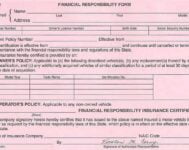
Understanding the requirements for SR-22 insurance involves acquainting oneself with the specific documentation and coverage obligations mandated by state authorities. An SR-22 form is a certificate of financial responsibility that proves a driver has the state-required minimum auto insurance coverage. This form is typically necessary for individuals who have been convicted of serious driving violations, such as speeding tickets, DUIs, or at-fault accidents, and is often required for a specified period. The coverage limits for an SR-22 policy must meet or exceed the minimum liability coverage required by the state.

Additionally, it is important to note that SR-22 insurance is not an actual insurance policy but rather a document attached to an existing policy. Drivers must maintain continuous coverage throughout the mandated period to avoid license suspension or other penalties. Failure to maintain the SR-22 coverage can result in further legal consequences.

Understanding these requirements and obligations is essential for individuals tackling the process of obtaining and maintaining SR-22 insurance.

Impact of Speeding Tickets on Insurance

The presence of speeding tickets on a driver’s record can have a significant impact on their insurance premiums. Insurance companies view speeding violations as an indicator of risky driving behavior, which increases the likelihood of accidents. As a result, drivers with speeding tickets are often considered high-risk clients by insurance providers, leading to higher insurance premiums. The number of speeding tickets and the severity of the violations can further exacerbate the increase in insurance costs.

Insurance companies use speeding tickets as a factor to determine a driver’s level of risk, affecting their perceived reliability on the road. Drivers with multiple speeding tickets may face even steeper rate hikes or potential policy cancellations. In some cases, insurance companies may offer options for drivers with speeding tickets to mitigate the impact on their premiums, such as defensive driving courses.

It is essential for drivers with speeding tickets to be aware of the potential consequences on their insurance rates and take proactive steps to address any concerns with their insurance provider.

How to Obtain SR-22 Filing

Drivers who have received speeding tickets and are deemed high-risk by insurance providers may need to obtain SR-22 filing to fulfill legal requirements for maintaining auto insurance coverage.

To obtain SR-22 filing, individuals typically need to contact their insurance provider and request the filing. The insurance company will then submit the SR-22 form to the state’s Department of Motor Vehicles on behalf of the driver. It’s important to make sure that the SR-22 form is filed correctly and on time to avoid any lapses in insurance coverage.

When obtaining SR-22 filing, drivers should be prepared to provide necessary information such as their driver’s license number, vehicle information, and details about the incident that led to the SR-22 requirement.

The cost associated with SR-22 filing can vary depending on the state and the driver’s specific circumstances. It’s vital for individuals to inquire about any additional fees or changes to their insurance premiums that may result from needing an SR-22 filing.

Cost Considerations and Savings Tips

An important aspect to take into account when dealing with SR-22 insurance is the potential cost implications and strategies for saving money. Since SR-22 insurance is often required after speeding tickets or other serious driving violations, it typically comes with higher premiums. Insurance companies view drivers needing SR-22 insurance as higher risk, leading to increased costs.

However, there are ways to potentially save money on SR-22 insurance. One strategy is to compare quotes from multiple insurance providers to find the best rate available. Some companies specialize in high-risk insurance and may offer more competitive prices for SR-22 coverage. Additionally, maintaining a clean driving record going forward can help lower premiums over time. Taking defensive driving courses or bundling insurance policies with the same provider are other methods to potentially reduce costs.

It’s important to be proactive in seeking out discounts and exploring different options to manage the expenses associated with SR-22 insurance. By being informed and diligent, drivers can navigate the financial aspects of SR-22 requirements more effectively.

Maintaining Compliance and Consequences

Adhering to SR-22 requirements is essential for individuals seeking to maintain their driving privileges after serious traffic violations. Once you have obtained SR-22 insurance, it is important to guarantee continuous compliance with the policy. Any lapses or failures to maintain this coverage can result in severe consequences, such as license suspension or even revocation. To avoid these penalties, it is necessary to make timely premium payments and renewals to keep your SR-22 status active.

Failure to comply with SR-22 requirements can lead to further legal issues and challenges. If you are found driving without valid SR-22 coverage, you could face fines, extended SR-22 filing periods, or even imprisonment in some cases.

Additionally, driving without the necessary insurance coverage can have a significant impact on your driving record and lead to increased insurance premiums in the future.

Therefore, it is crucial to understand the importance of maintaining compliance with SR-22 insurance to safeguard your driving privileges and avoid potential consequences associated with non-compliance.

Conclusion

To summarize, managing SR-22 insurance for speeding tickets requires understanding the requirements, impact on insurance rates, obtaining the necessary filing, considering costs and savings tips, and maintaining compliance to avoid consequences.

It is important to be informed and proactive in handling SR-22 insurance to guarantee compliance with state regulations and minimize financial implications.

By following the necessary steps and staying informed, individuals can successfully navigate the process of obtaining and maintaining SR-22 insurance after receiving a speeding ticket.

Need SR-22 insurance assistance? CALL our licensed Agents (Mon-Fri, 8am – 5pm PST)  for personalized guidance

(833) 568-8076

What Impacts SR-22 Rates After Traffic Violations?

Florida Cost of Insurance
Need SR-22 insurance assistance? CALL our licensed Agents (Mon-Fri, 8am – 5pm PST)  for personalized guidance

(833) 568-8076

Factors impacting SR-22 rates post-traffic violations include the type and severity of the offense, the driver’s thorough record of violations and accidents, insurance claim history, and specific SR-22 filing obligations. Major violations like DUIs result in higher rates, while repeated offenses lead to escalating penalties. Insurance companies assess risk based on past behavior and claim records, influencing the rates offered. Additionally, the duration of SR-22 filing varies by state, affecting premiums. For a detailed understanding, consider the intricacies in coverage, underwriting criteria, and insurers’ pricing strategies.

Types of Traffic Violations

Across the spectrum of traffic violations, various types can lead to SR-22 rates being imposed on individuals. Common violations that may trigger the need for an SR-22 form include driving under the influence (DUI) or driving while intoxicated (DWI). These offenses are considered severe due to the heightened risk they pose to public safety.

Reckless driving, which involves willful disregard for traffic laws and safety, is another violation that often results in the requirement for SR-22 insurance. Additionally, individuals who accumulate multiple speeding tickets or other moving violations within a short period may also be subject to SR-22 requirements. These violations indicate a pattern of risky driving behavior that insurance companies view as a higher liability.

Failure to carry auto insurance, driving with a suspended license, or being involved in at-fault accidents without insurance coverage are also common violations that can lead to the imposition of SR-22 rates. Understanding the types of traffic violations that can trigger the need for SR-22 insurance is essential for drivers to maintain compliance with legal and insurance requirements.

Severity of Offenses

Analyzing the impact of offense classification on SR-22 rates sheds light on how severity influences insurance premiums.

Understanding the consequences of repeat violations is important for drivers seeking to navigate the complexities of maintaining compliance.

Offense Classification Impact

Evaluating the severity of traffic offenses is vital in understanding the impact on SR-22 rates following traffic violations. Offenses are classified based on their seriousness, with more severe violations typically resulting in higher SR-22 rates. For instance, major offenses like DUIs or reckless driving carry heavier penalties compared to minor infractions such as speeding tickets.

The classification of the offense plays a significant role in determining the risk level associated with the driver. Insurance companies use this classification to assess the likelihood of future violations and adjust the SR-22 rates accordingly. Drivers with a history of major offenses are considered high-risk and are charged higher premiums to offset the increased likelihood of filing a claim.

Therefore, understanding how different offenses are classified and their respective impact on SR-22 rates is critical for drivers seeking to navigate the repercussions of traffic violations effectively. By being aware of the offense classification impact, drivers can make informed decisions to mitigate the financial consequences of their actions on their insurance premiums.

Repeat Violations Consequences

Understanding the seriousness of traffic offenses in relation to repeat violations is essential for determining the consequences on SR-22 rates. Repeat violations often result in heightened penalties due to the increased risk they pose on the road. For example, a first-time speeding ticket may lead to a minimal increase in SR-22 rates, but if the driver is caught speeding again within a short period, the impact on their rates is likely to be more noteworthy.

The severity of offenses is typically categorized based on their potential danger to the public. Minor violations such as rolling stops or slight speeding may result in lower rate hikes compared to major offenses like DUIs or reckless driving. Insurance companies view repeated major offenses with greater concern, leading to substantial increases in SR-22 rates to offset the higher risk associated with insuring these drivers.

Drivers with a history of repeat violations, especially those involving serious offenses, can expect to face considerably higher SR-22 insurance rates.

Driving Record History

A driver’s history of traffic violations and accidents plays a significant role in determining their risk profile and subsequent SR-22 rates. Insurance companies evaluate an individual’s driving record to gauge the likelihood of future violations or accidents. Drivers with a history of multiple traffic violations or at-fault accidents are deemed higher risk and are thus subject to higher SR-22 rates.

The frequency and severity of past violations and accidents are vital factors in evaluating a driver’s risk level. For instance, drivers with a record of speeding tickets, DUI convictions, or reckless driving offenses are considered more likely to engage in risky driving behavior in the future. Additionally, individuals involved in accidents where they were at fault may face increased SR-22 rates due to the perceived higher likelihood of them being involved in future accidents.

Insurance providers use historical driving data to predict future behavior and set appropriate SR-22 rates that align with the level of risk a driver presents on the road. Maintaining a clean driving record is essential for keeping SR-22 rates low and ensuring affordable insurance premiums.

Insurance Claim History

The examination of an individual’s insurance claim history is a pivotal factor in determining their risk profile and subsequent SR-22 rates. Insurance claim history provides valuable insights into an individual’s past behavior when filing claims for damages or losses.

Insurers analyze this data to assess the likelihood of future claims, which directly impacts the risk associated with insuring the individual.

A history of frequent or significant insurance claims suggests a higher probability of future claims, indicating a higher risk for the insurer. As a result, individuals with a pattern of multiple claims may face elevated SR-22 rates due to the increased perceived risk.

Conversely, a clean insurance claim history with minimal or no past claims indicates a lower risk profile, potentially leading to more favorable SR-22 rates.

Insurers rely on insurance claim history as a quantitative measure to evaluate an individual’s risk level accurately. By considering this factor alongside other risk assessment criteria, insurers can determine appropriate SR-22 rates that align with the individual’s risk profile.

SR-22 Filing Requirements

Analysis of an individual’s insurance claim history not only influences their risk assessment but also plays a significant role in determining the SR-22 filing requirements following certain traffic violations. SR-22 filing, also known as a certificate of financial responsibility, is often required for drivers who have been involved in serious traffic offenses such as DUIs or multiple at-fault accidents.

The duration for which an SR-22 form needs to be carried varies by state but typically ranges from three to five years. Insurance companies may charge higher premiums to drivers who require an SR-22 filing due to the increased risk they pose. Additionally, the type and severity of the traffic violation can impact the specific SR-22 filing requirements.

It is crucial for individuals in this situation to fully understand the obligations associated with SR-22 filings to comply with state regulations and maintain continuous insurance coverage during the mandated period.

Need SR-22 insurance assistance? CALL our licensed Agents (Mon-Fri, 8am – 5pm PST)  for personalized guidance

(833) 568-8076

Comparison of Insurance Quotes

Analyzing insurance quote variability is essential for individuals seeking SR-22 coverage post-traffic violations. Understanding the importance of comparing rates from different providers can result in significant cost savings over time.

Various factors, such as driving history, vehicle type, and coverage levels, play a significant role in influencing insurance quotes.

Insurance Quote Variability

Upon receiving traffic violations that require an SR-22 filing, the variability in insurance quotes becomes a critical factor for individuals seeking to compare and select the most cost-effective option for their specific circumstances. Insurance quote variability stems from various factors such as the insurance company’s underwriting criteria, the individual’s driving history, the type of violation incurred, and the coverage limits required for the SR-22 policy.

When comparing insurance quotes post-traffic violation, individuals may notice significant differences in premiums offered by different insurance providers. This disparity is primarily due to the varying levels of risk perception and pricing strategies adopted by insurance companies. It is essential for individuals in need of an SR-22 policy to obtain quotes from multiple insurers to leverage this variability and secure the most competitive rate available.

Rate Comparison Importance

The significance of comparing insurance quotes post-traffic violations lies in uncovering the nuanced variations in premiums offered by different providers, essential for individuals seeking cost-effective SR-22 policies.

By engaging in a thorough comparison of quotes from various insurance companies, individuals can identify potential cost savings and select the most competitive rates for their SR-22 coverage. This process allows for a data-driven evaluation of the financial implications of different policies, enabling informed decision-making based on actual figures rather than assumptions.

Moreover, rate comparison is vital for ensuring that individuals receive adequate coverage at a reasonable price. Different insurance providers may weigh traffic violations differently in their premium calculations, leading to significant differences in quotes for the same individual. By exploring multiple quotes, individuals can gauge the pricing landscape and choose a policy that not only meets their SR-22 requirements but also aligns with their budgetary constraints.

Ultimately, rate comparison empowers individuals to make financially sound choices when selecting an SR-22 insurance policy.

Factors Influencing Quotes

Various key factors play a significant role in influencing the quotes provided by different insurance companies when comparing SR-22 policies.

When obtaining quotes for SR-22 insurance, one vital factor that impacts the rates is the severity of the traffic violation that led to the need for an SR-22 filing. Insurance companies assess the risk associated with the specific violation, with more serious offenses typically resulting in higher premiums.

Additionally, the driver’s age, driving history, and location are essential considerations. Younger drivers or individuals with a history of multiple traffic violations may face higher quotes due to being perceived as higher risk.

The duration for which an SR-22 filing is required also influences the quotes, with longer periods generally leading to increased premiums.

To get the most competitive rates, individuals should compare quotes from multiple insurers, considering these factors alongside the coverage and services provided to make an informed decision.

Conclusion

To sum up, the rates for SR-22 insurance following traffic violations are influenced by the type and severity of offenses committed, the individual’s driving record, and insurance claim history. Additionally, the specific requirements for SR-22 filing play a crucial role.

By understanding these factors and comparing insurance quotes from different providers, individuals can make informed decisions to mitigate the financial impact of their violations on their insurance premiums.

Need SR-22 insurance assistance? CALL our licensed Agents (Mon-Fri, 8am – 5pm PST)  for personalized guidance

(833) 568-8076

Managing SR-22 Rates After Traffic Violations: 10 Tips

Need SR-22 insurance assistance? CALL our licensed Agents (Mon-Fri, 8am – 5pm PST)  for personalized guidance

(833) 568-8076

Managing SR-22 rates after traffic violations requires proactive measures. Guarantee timely payments to maintain favorable rates and avoid policy lapses. Completing defensive driving courses can lead to premium savings and improved driving behaviors. Multiple violations result in higher premiums and high-risk labeling. Compare insurance providers for competitive rates and quality service. Seeking professional advice can offer personalized guidance. Monitoring credit score post-violations impacts insurance rates. Renew policies on time and explore available discounts. Taking these steps is essential in successfully handling SR-22 rates effectively.

Understanding SR-22 Insurance Basics

Understanding the fundamentals of SR-22 insurance is essential for individuals who have been involved in serious traffic violations and are required to file this form with their state's Department of Motor Vehicles.

An SR-22 is not an insurance policy but rather a certificate of financial responsibility that proves a driver carries the state-mandated amount of car insurance. It is typically required after violations like DUIs, at-fault accidents without insurance, or multiple traffic offenses.

The filing of an SR-22 form is monitored by the state, ensuring that the driver remains compliant with insurance requirements. Failure to maintain the SR-22 can lead to severe consequences, including license suspension or revocation.

The cost of obtaining an SR-22 varies by state and insurance provider, with premiums typically higher due to the increased risk associated with the driver's history. Understanding the nuances of SR-22 insurance can help individuals navigate this process effectively and maintain compliance with state regulations.

Importance of Timely Payments

Timely payments are vital in the world of SR-22 insurance as they directly impact your coverage and rates.

Missing payment due dates can result in late fees and potential lapses in coverage, leading to further complications.

Understanding the consequences of late payments is essential for maintaining a smooth and cost-effective SR-22 insurance journey.

Payment Due Dates

Punctuality in settling insurance premiums is a vital factor in maintaining favorable SR-22 rates following traffic violations. Payment due dates play an important role in guaranteeing that insurance premiums are paid on time, which is essential for demonstrating financial responsibility to the authorities.

Missing payment due dates can result in the suspension of your insurance policy and subsequently lead to increased SR-22 rates. To avoid any negative impact on your SR-22 rates, it is advisable to mark payment due dates on your calendar or set up reminders to ensure timely payments.

Many insurance providers also offer automatic payment options that can help you avoid missing deadlines. Late payments can not only affect your SR-22 rates but may also incur additional fees and penalties. Hence, staying organized and proactive in managing your payment due dates is paramount.

Late Fee Consequences

Maintaining a diligent approach to payment due dates is essential to avoiding late fee consequences and safeguarding your SR-22 rates post-traffic violations. Late payments can have significant repercussions on your SR-22 insurance rates, potentially leading to increased premiums and financial strain. Insurers often view late payments as indicators of higher risk, which could result in a tarnished driving record and elevated insurance costs.

Late fee consequences can vary depending on the insurance provider and the specific circumstances of the late payment. In addition to the immediate financial burden of late fees, repeated late payments may lead to more severe penalties, including policy cancellation or non-renewal. These outcomes can further complicate your efforts to maintain affordable SR-22 rates and comply with legal requirements following traffic violations.

To mitigate late fee consequences, it is vital to prioritize timely payments, set up reminders or automatic payments, and communicate proactively with your insurance provider in case of any financial difficulties. By staying proactive and responsible in your payment obligations, you can help protect your SR-22 rates and ensure continued coverage at reasonable costs.

Defensive Driving Courses Benefit

Defensive driving courses play a vital role in enhancing road safety by equipping drivers with essential skills to handle various situations.

Beyond just promoting safer roads, completing such courses can lead to potential savings on insurance premiums as many providers offer discounts for course completion.

Additionally, individuals who undergo defensive driving training often exhibit improved driving behaviors, reducing the likelihood of future traffic violations.

Defensive Driving Course Importance

Enrolling in a recognized defensive driving course can greatly reduce insurance premiums for individuals with a history of traffic violations. These courses offer valuable insights into safe driving practices, equipping drivers with the skills to avoid accidents and traffic infractions. Insurance providers often view completion of such courses as a proactive step towards minimizing risk, leading to lower premiums for policyholders.

Defensive driving courses cover a range of topics including understanding road signs, managing adverse weather conditions, and maintaining safe following distances. By enhancing drivers' knowledge and awareness, these courses contribute to a reduction in accidents and subsequent insurance claims. Statistics show that individuals who have taken defensive driving courses are less likely to be involved in accidents, reinforcing the positive impact of these programs on overall road safety.

Moreover, many insurance companies offer discounts to policyholders who have completed defensive driving courses, further incentivizing drivers to enroll in these programs. The cost of the course is often outweighed by the long-term savings on insurance premiums, making it a financially prudent decision for individuals looking to improve their driving record and reduce insurance costs.

Insurance Savings Potential

Are you curious about the significant impact defensive driving courses can have on potential insurance savings for drivers with a history of traffic violations?

Defensive driving courses offer drivers the opportunity to enhance their driving skills, reduce the risk of accidents, and potentially lower their insurance premiums. Insurance companies often view individuals who have completed defensive driving courses as less risky to insure, leading to potential discounts on their insurance rates.

On average, completing a defensive driving course can result in savings of around 5% to 15% on auto insurance premiums. These savings can vary depending on the insurance provider and the driver's specific circumstances.

Need SR-22 insurance assistance? CALL our licensed Agents (Mon-Fri, 8am – 5pm PST)  for personalized guidance

(833) 568-8076

By investing the time and effort into taking a defensive driving course, drivers demonstrate their commitment to safe driving practices, which can be rewarded with cost savings on their insurance policies.

In addition to the financial benefits, defensive driving courses can also help drivers improve their overall driving skills, leading to a safer driving experience for themselves and others on the road.

Improved Driving Behavior

Completion of defensive driving courses has been shown to positively impact drivers' behavior on the road, leading to safer driving practices and reduced risk of accidents.

These courses provide valuable insights into defensive driving techniques, road safety regulations, and risk awareness, equipping drivers with the knowledge and skills to navigate challenging situations on the road effectively.

According to the National Safety Council, defensive driving courses can help prevent accidents and save lives by promoting responsible driving behaviors such as maintaining safe following distances, avoiding distractions, and anticipating potential hazards.

Statistics from the Insurance Information Institute indicate that drivers who have completed defensive driving courses are less likely to be involved in accidents, resulting in fewer insurance claims and lower premiums.

Insurers often offer discounts to drivers who voluntarily take these courses, recognizing the positive correlation between improved driving behavior and reduced risk.

Impact of Multiple Violations

Multiple traffic violations greatly impact SR-22 insurance rates. Each additional violation leads to higher premiums due to increased risk factors associated with the driver's history. Insurance providers view drivers with multiple violations as high-risk individuals, more likely to be involved in accidents or commit further traffic offenses.

The accumulation of violations signals to insurers a pattern of risky driving behavior and potential disregard for traffic laws. This prompts them to adjust rates to mitigate their financial risks. According to data from insurance industry studies, drivers with multiple violations are statistically more likely to file insurance claims, leading to increased costs for insurance companies.

This heightened risk profile translates into higher premiums for drivers seeking SR-22 insurance after multiple violations. Insurers consider the number and severity of violations on a driver's record when determining rates. Each violation compounds the perceived risk and influences the overall cost of coverage.

Drivers with a history of multiple violations may face significant challenges in finding affordable SR-22 insurance due to these heightened risk assessments by insurers.

Comparing Insurance Providers

When evaluating SR-22 insurance options, drivers can effectively compare different insurance providers based on their rates, coverage options, and customer service offerings.

Rates are an important factor to consider, as they can vary greatly between providers. By obtaining quotes from multiple insurers, drivers can identify the most cost-effective option without compromising on necessary coverage.

It is essential to review the coverage options provided by each insurer to make sure they meet the state's minimum requirements for SR-22 filings. Additionally, examining additional coverage offerings such as full and collision insurance can help drivers choose a policy that best suits their needs.

Customer service is another essential aspect to consider when comparing insurance providers. Reliable customer support, efficient claims processing, and accessible communication channels can make a significant impact on the overall insurance experience. Researching customer reviews and ratings can provide insights into the quality of service offered by different insurers.

Maintaining a Clean Driving Record

Consistent adherence to safe driving practices is paramount for ensuring a clean driving record that can positively impact insurance rates and overall driving privileges. Maintaining a clean driving record involves obeying traffic laws, avoiding accidents, and steering clear of any behavior that could lead to citations or violations.

Insurance companies typically reward drivers with clean records by offering lower premiums and better coverage options. According to a study by the Insurance Information Institute, drivers with a history of traffic violations are statistically more likely to be involved in accidents, leading to increased insurance rates.

By staying vigilant on the road, following speed limits, avoiding distractions, and practicing defensive driving techniques, individuals can reduce the likelihood of receiving tickets or causing accidents, safeguarding their driving record and potentially lowering their insurance costs.

Regularly reviewing and updating driving records, attending defensive driving courses, and addressing any issues promptly can also contribute to maintaining a clean driving record and favorable insurance rates.

Seeking Professional Advice

When facing the complexities of managing SR-22 rates after traffic violations, seeking professional advice is essential.

Consulting with your insurance agent can provide insights into how violations impact your rates.

Legal counsel guidance can offer a nuanced understanding of legal implications, while expert advice benefits decision-making in maneuvering the aftermath of traffic violations.

Consult Insurance Agent

Engaging an experienced insurance agent can provide valuable insights and guidance when maneuvering through the complexities of SR-22 rates following traffic violations. Insurance agents specialize in understanding the intricacies of SR-22 insurance and can offer personalized advice tailored to your specific situation. They can help you navigate the process of obtaining an SR-22 form, explain how traffic violations impact insurance premiums, and suggest strategies to potentially lower your rates over time.

Insurance agents have access to a wide range of insurance carriers and can shop around on your behalf to find the most competitive SR-22 rates available. By leveraging their industry knowledge and relationships with insurance providers, they can help you secure affordable coverage without compromising on quality.

When consulting an insurance agent, be prepared to provide detailed information about your driving history, the specific traffic violations that led to your SR-22 requirement, and any other relevant factors that could influence your insurance rates. This data-driven approach allows the insurance agent to offer accurate advice and recommend the most suitable insurance options for your needs.

Legal Counsel Guidance

Seeking professional guidance from legal counsel is essential when understanding the legal implications of traffic violations and the requirements associated with SR-22 insurance. Legal counsel can provide valuable insights into the specific laws and regulations governing SR-22 filings, helping individuals navigate through complex legal processes with clarity and confidence.

Experienced attorneys can assess the details of a traffic violation case, advise on potential legal strategies, and offer guidance on how to fulfill SR-22 insurance obligations effectively. They can also represent clients in court proceedings, negotiate with insurance providers for favorable rates, and make certain that all necessary documentation is filed accurately and on time.

Furthermore, legal counsel can help individuals understand the long-term effects of traffic violations on their driving record and insurance premiums. By leveraging their expertise, individuals can make informed decisions to mitigate the financial and legal repercussions of traffic infractions, ultimately safeguarding their driving privileges and financial well-being.

Expert Advice Benefits

Professional advice from experts in legal matters surrounding SR-22 requirements can provide invaluable guidance for individuals maneuvering through the complexities of traffic violations and insurance obligations.

Seeking expert advice benefits individuals by offering a clear understanding of the legal implications of their actions, ensuring compliance with state regulations, and potentially reducing the long-term financial impact of traffic violations.

Legal experts specializing in SR-22 cases possess intricate knowledge of the legal system, insurance requirements, and potential consequences of traffic violations. Their expertise allows them to provide tailored advice based on individual circumstances, helping clients navigate the complexities of obtaining and maintaining an SR-22 filing.

Additionally, professional advice can aid individuals in exploring available options for mitigating the impact of traffic violations on insurance rates and overall financial well-being.

Monitoring Your Credit Score

Monitoring your credit score is an essential element in managing SR-22 rates after traffic violations, as it can directly impact insurance premiums. Insurers often use credit scores as a factor in determining the risk profile of an individual. Studies have shown that individuals with lower credit scores are more likely to file insurance claims, leading to higher premiums. Therefore, maintaining a good credit score is pivotal to potentially lower SR-22 rates.

Regularly monitoring your credit score allows you to stay informed about any changes or discrepancies that could affect your insurance rates. By keeping track of your credit report, you can identify and address any errors promptly, ensuring that your credit score accurately reflects your financial responsibility.

Additionally, being proactive in improving your credit score by making timely payments and reducing debt can lead to long-term cost savings on your SR-22 insurance.

Renewing SR-22 Policies on Time

Ensuring timely renewal of SR-22 policies is essential to maintaining continuous compliance with legal requirements and avoiding potential lapses in coverage. Failure to renew an SR-22 policy before its expiration date can result in serious consequences, including license suspension and possible fines.

It is important for individuals with SR-22 requirements to stay proactive and organized when it comes to policy renewals.

To help guarantee timely renewal, setting up reminders well in advance of the expiration date can be beneficial. Many insurance providers offer automatic renewal options or notifications to assist policyholders in keeping track of renewal deadlines.

Additionally, maintaining open communication with your insurance agent can help clarify any doubts or concerns regarding the renewal process.

Renewing an SR-22 policy on time also plays a significant role in potentially lowering insurance premiums over time. Insurance companies may view continuous and timely renewals as a positive indicator of responsible behavior, which could lead to better rates in the future.

Exploring Policy Discounts

To optimize financial savings and maximize benefits, individuals with SR-22 requirements should explore various policy discounts offered by insurance providers. Policy discounts can greatly reduce the overall cost of maintaining an SR-22 filing, making it important for individuals to be aware of the potential savings available to them.

Common policy discounts that individuals with SR-22 requirements may be eligible for include safe driver discounts, multi-policy discounts, and good student discounts.

Safe driver discounts are often provided to individuals with a clean driving record or those who have completed a defensive driving course. Multi-policy discounts can be availed by individuals who bundle their SR-22 insurance with other insurance policies, such as homeowners or renters insurance. Good student discounts are typically offered to young drivers who maintain a certain GPA.

Conclusion

In summary, effectively managing SR-22 rates after traffic violations requires a combination of timely payments, defensive driving courses, comparison of insurance providers, professional advice, credit score monitoring, and renewal of policies.

By being proactive and taking steps to improve driving behavior, individuals can potentially lower their insurance premiums and financial burdens associated with SR-22 requirements.

It is important to stay informed, stay on top of payments, and explore all available options to guarantee compliance and financial stability.

Need SR-22 insurance assistance? CALL our licensed Agents (Mon-Fri, 8am – 5pm PST)  for personalized guidance

(833) 568-8076

Why Do You Need SR-22 Insurance for Speeding Tickets?

Need SR-22 insurance assistance? CALL our licensed Agents (Mon-Fri, 8am – 5pm PST)  for personalized guidance

(833) 568-8076

SR-22 insurance is vital for speeding tickets because it guarantees compliance with state insurance requirements post serious driving offenses. It guarantees minimum coverage and demonstrates financial responsibility to the DMV. By obtaining SR-22 through your insurance provider, you maintain continuous coverage and avoid penalties related to speeding violations. The duration of SR-22 filing varies by state and offense severity, typically lasting 3-5 years. Additionally, failing to renew promptly can restart the filing period, emphasizing the importance of timely compliance. The impacts and nuances of SR-22 insurance for speeding tickets are essential for drivers to navigate effectively.

Definition of SR-22 Insurance

SR-22 insurance, often required for individuals with a history of traffic violations, serves as a financial responsibility certification filed by an insurance company on behalf of the policyholder with the state's Department of Motor Vehicles.

This form is not an insurance policy but rather a guarantee from the insurer that the policyholder has at least the minimum required coverage as mandated by the state. The SR-22 is typically required for drivers who have been convicted of offenses such as driving under the influence, driving without insurance, or multiple traffic violations. It is a way for the state to make sure that high-risk drivers remain compliant with insurance requirements.

In the event of a policy cancellation, the insurer is obligated to inform the DMV, leading to potential license suspension. The SR-22 filing period varies by state but generally lasts for about three years. During this time, it is important for the policyholder to maintain continuous coverage to avoid further legal consequences.

Purpose of SR-22 Filing

Submitting an SR-22 filing serves to demonstrate compliance with state-mandated insurance requirements for individuals with a history of traffic violations.

This filing is often required after serious driving offenses such as speeding tickets, DUI convictions, or at-fault accidents where the driver was uninsured.

The primary purpose of the SR-22 form is to provide proof of financial responsibility to the state, ensuring that high-risk drivers have the necessary auto insurance coverage to protect themselves and others on the road.

Impact of Speeding Tickets

Speeding tickets can have significant implications on an individual's driving record and insurance premiums. When a driver receives a speeding ticket, the infraction is typically recorded on their driving record. Accumulating multiple speeding tickets can result in points being added to the driver's record, which may lead to increased insurance premiums. Insurance companies often view speeding tickets as a sign of risky behavior, which can result in higher rates for the driver.

Additionally, if a driver accumulates too many points on their record due to speeding tickets, they may face license suspension or revocation, further impacting their ability to drive legally.

Moreover, beyond the immediate financial consequences of increased insurance premiums, speeding tickets can also affect a driver's overall driving record and reputation. Having a history of speeding violations can make it challenging to secure favorable insurance rates in the future, as insurers may consider the driver a higher risk.

It is essential for drivers to adhere to speed limits and traffic laws to maintain a clean driving record and avoid the negative impacts of speeding tickets.

Requirement for SR-22 After Ticket

Understanding the requirement for an SR-22 after receiving a speeding ticket is essential for drivers.

An SR-22 is a form that proves a driver has the minimum required liability insurance.

This form is often necessary to reinstate driving privileges after certain violations, with its implications affecting insurance premiums and legal compliance.

SR-22 Insurance Explanation

The requirement for an SR-22 insurance filing typically arises following certain driving violations or infractions. An SR-22 is not an insurance policy but rather a form that demonstrates proof of financial responsibility. When a driver is required to have an SR-22, their insurance company files the form with the state to confirm that the driver has at least the minimum amount of insurance required.

This form is often necessary for individuals who have been convicted of offenses such as driving under the influence, reckless driving, accidents while driving without insurance, or multiple traffic violations in a short period.

Having an SR-22 may lead to increased insurance premiums due to the perceived higher risk the driver represents. It is important for individuals with an SR-22 requirement to maintain continuous coverage for the specified period, usually three years.

Failure to keep the SR-22 current can result in license suspension or other penalties, making it essential for drivers to fulfill this obligation until it is no longer required.

Impact on Insurance Rates

Following a driving violation such as a speeding ticket, the requirement for an SR-22 insurance filing can have a significant impact on insurance rates. Insurance companies typically view drivers required to have an SR-22 as higher risk, leading to increased premiums. The cost of insurance can rise substantially due to the perceived higher likelihood of the driver being involved in future accidents or traffic violations.

When an individual needs to file an SR-22 after a speeding ticket, insurance providers may label them as a 'high-risk driver.' This label often results in the imposition of higher insurance rates. The exact increase varies depending on the insurance company and the driver's specific circumstances, but it is not uncommon for premiums to double or even triple.

These elevated rates can be a financial burden for individuals already dealing with the consequences of a speeding ticket.

Legal Compliance Necessity

A speeding ticket can trigger a legal requirement for individuals to obtain an SR-22 filing as part of their insurance coverage.

An SR-22 is a form that proves a driver has the minimum required liability insurance coverage as mandated by state law.

Need SR-22 insurance assistance? CALL our licensed Agents (Mon-Fri, 8am – 5pm PST)  for personalized guidance

(833) 568-8076

After receiving a speeding ticket or being involved in certain traffic violations, drivers may be required to file an SR-22 form with their state's Department of Motor Vehicles (DMV) to reinstate or maintain their driving privileges.

The necessity for SR-22 insurance after a speeding ticket stems from the need for drivers to demonstrate financial responsibility and legal compliance.

By mandating an SR-22, authorities make sure that drivers deemed high-risk due to past infractions have the required insurance coverage.

Failure to obtain and maintain SR-22 insurance can lead to further penalties, such as license suspension or revocation.

As a result, it is important for individuals issued a speeding ticket to adhere to the legal requirement of obtaining SR-22 insurance to stay compliant with state laws and regulations.

Duration of SR-22 Filing

The duration of SR-22 filing typically ranges from one to three years, depending on the state and the severity of the violation.

Renewal requirements for SR-22 insurance may involve submitting updated documentation and payment of associated fees to maintain coverage.

Compliance verification is essential during this period to make sure that drivers meet the mandated insurance requirements set by the state.

SR-22 Filing Period

Typically, the duration for which an individual is required to maintain SR-22 insurance varies depending on the state and the specific circumstances surrounding the need for the filing. In most cases, individuals are mandated to hold SR-22 insurance for a minimum of three years. However, this period can extend up to five years or even longer, depending on the severity of the violation that led to the SR-22 requirement. It is important to adhere to the specified filing period without any lapses in coverage, as any gaps could result in penalties or an extension of the SR-22 filing requirement.

The duration of the SR-22 filing is determined by state laws and regulations, as well as the nature of the offense that necessitated the SR-22 in the first place. It is essential for individuals to understand the specific filing period required in their state and maintain compliance throughout the designated timeframe to fulfill their legal obligations and eventually have the SR-22 removed from their insurance policy.

Renewal Requirements

Understanding the renewal requirements for SR-22 insurance filing duration is essential for individuals to maintain continuous compliance with state regulations and avoid any potential penalties. The duration for which an SR-22 form must be filed varies depending on the state and the reason for which it was required. Typically, SR-22 filings need to be maintained for about three years, but this can range from one to five years. It is important to be aware of the specific duration mandated by the state where the insurance policy is held to guarantee uninterrupted compliance.

Renewal of SR-22 insurance must be done in a timely manner to prevent any lapses in coverage, which could lead to severe consequences such as license suspension or fines. Most insurance providers will notify policyholders in advance of the expiration date for their SR-22 filing to allow ample time for renewal. Failure to renew the SR-22 in a timely manner can result in restarting the filing period from the beginning, prolonging the requirement. Therefore, staying informed about renewal requirements and acting promptly is crucial to maintain compliance.

Compliance Verification

Maintaining compliance with the duration of SR-22 filing is a critical aspect of fulfilling state requirements for individuals with speeding tickets. The duration for which an individual is required to have an SR-22 filing varies depending on the state and the severity of the offense. Typically, SR-22 filings are necessary for a minimum of three years, but this can extend up to five years in some cases. It is imperative for individuals to adhere to these timelines meticulously to avoid any legal repercussions.

To verify adherence with the SR-22 filing duration, states often require insurance companies to inform them if the policy linked to the SR-22 filing is canceled or not renewed. Additionally, some states mandate that insurance companies provide electronic filings directly to the Department of Motor Vehicles (DMV) to ensure continuous monitoring of the individual's insurance status.

Non-compliance with the SR-22 filing duration can result in license suspension or other penalties, emphasizing the importance of staying up to date with all requirements.

Cost of SR-22 for Speeding

The cost of obtaining an SR-22 for speeding violations can vary greatly depending on several factors such as the driver's location, driving history, and insurance company. Generally, when a driver is required to file an SR-22 due to a speeding ticket, they can expect to pay an additional fee on top of their regular insurance premium. This fee typically ranges from $15 to $25 for filing the SR-22 form with the state.

However, the actual increase in insurance premiums can vary considerably based on the severity of the speeding violation, the driver's previous driving record, and the insurance provider's policies. On average, drivers with an SR-22 may see their insurance rates increase by 30% to 120%. Drivers with multiple speeding tickets or a history of other violations may face higher premium hikes.

It is essential for individuals obtaining an SR-22 for speeding to shop around and compare quotes from different insurance companies to find the most affordable option that meets their coverage needs.

SR-22 and License Suspension

When a driver's license gets suspended due to traffic violations, the requirement to obtain an SR-22 insurance form often arises as part of the reinstatement process.

License suspension can result from various infractions such as driving under the influence, reckless driving, or accumulating too many points on a driving record. In such cases, the Department of Motor Vehicles (DMV) may mandate the driver to file an SR-22 form to demonstrate financial responsibility before reinstating the license.

Having an SR-22 in place helps assure the DMV that the driver is carrying the required auto insurance coverage to meet state requirements. It serves as a guarantee that the driver will maintain continuous coverage for a specific period, typically three years, ensuring financial responsibility for any future incidents.

Failure to maintain the SR-22 during this period could lead to further penalties, including license suspension or revocation. Obtaining and keeping an SR-22 is essential for drivers looking to reinstate their licenses after a suspension due to traffic violations.

Getting SR-22 for Speeding Ticket

Acquiring an SR-22 for a speeding ticket involves demonstrating financial responsibility to the Department of Motor Vehicles (DMV) in order to address the violation and potentially reinstate driving privileges. When you receive a speeding ticket, particularly if it involves excessive speeding or multiple violations, the DMV may require you to file an SR-22 form as part of the process to reinstate your driving privileges. The SR-22 form is not an insurance policy but rather a guarantee from your insurance company that you have the state's minimum required coverage.

To obtain an SR-22 for a speeding ticket, you typically need to contact your insurance provider, who will then file the form with the DMV on your behalf. The DMV may also charge a fee for processing the SR-22.

It's essential to maintain continuous insurance coverage while you have an SR-22 on file, as any lapses or cancellations could lead to further penalties. Once the mandated period for having the SR-22 is over and you've complied with all requirements, you can usually have it removed, provided you have a clean driving record.

Conclusion

To sum up, the need for SR-22 insurance for speeding tickets arises due to the requirement for high-risk drivers to prove financial responsibility to the state.

Speeding tickets can result in the suspension of a driver's license, making SR-22 filing necessary to reinstate driving privileges.

The cost and duration of SR-22 filing may vary depending on the severity of the speeding violation.

It is important for high-risk drivers to understand the implications of speeding tickets and the necessity of SR-22 insurance.

Need SR-22 insurance assistance? CALL our licensed Agents (Mon-Fri, 8am – 5pm PST)  for personalized guidance

(833) 568-8076

5 Best Options for Getting an SR-22 After a DUI

Delaware DUI
Need SR-22 insurance assistance? CALL our licensed Agents (Mon-Fri, 8am – 5pm PST)  for personalized guidance

(833) 568-8076

To efficiently obtain an SR-22 after a DUI, consider these top options: Firstly, contact your current insurance provider to seamlessly add the SR-22 to your policy. Secondly, enlist the help of independent insurance agents who can shop around for the best rates and coverage. Thirdly, explore online insurance companies for a quick and convenient solution with competitive pricing. Fourthly, consider state-specific insurance providers for tailored policies that meet local regulations. Lastly, compare multiple insurers to secure the best rates by analyzing coverage options and benefits. These options guarantee you meet legal requirements and find cost-effective solutions.

SR-22 Through Your Current Insurance Provider

Obtaining an SR-22 through your current insurance provider is a vital process that involves notifying them of your need for this specific form of insurance documentation. Once you inform your insurance company of the requirement for an SR-22 due to a DUI conviction, they will guide you through the necessary steps to add it to your policy.

The process typically involves a small filing fee, after which the insurance carrier submits the SR-22 form to the relevant state authority on your behalf.

It is important to note that not all insurance providers offer SR-22 filings, so it is essential to verify with your current insurer if they provide this service. If your current insurance company does not offer SR-22 filings, they may be able to refer you to another company that does or guide you on the necessary steps to take.

Independent Insurance Agents

Consider consulting with independent insurance agents for assistance in obtaining an SR-22 after a DUI conviction. Independent insurance agents are valuable resources in helping individuals navigate the complexities of securing an SR-22. These agents work with multiple insurance companies, giving them the ability to shop around for the best rates and coverage options that suit your specific needs, even in the aftermath of a DUI.

Independent insurance agents can offer personalized attention and guidance throughout the process of obtaining an SR-22. They have the expertise to explain the requirements, implications, and duration of an SR-22 filing, ensuring that you fulfill all necessary obligations to regain your driving privileges.

Additionally, independent agents can assist in finding affordable insurance options despite your DUI history, making the process of obtaining an SR-22 less intimidating.

Online Insurance Companies

When exploring options for obtaining an SR-22 after a DUI, online insurance companies can provide a convenient and efficient solution for securing the necessary coverage. Online insurance companies offer a streamlined process for individuals seeking an SR-22, allowing them to compare quotes, submit necessary documentation, and purchase the required policy entirely online. This can be particularly advantageous for those with busy schedules or limited access to traditional insurance providers.

Moreover, online insurance companies often have competitive rates due to reduced overhead costs, offering individuals an opportunity to find affordable SR-22 insurance following a DUI conviction. Many of these companies also provide 24/7 customer support, making it easier for policyholders to get assistance whenever needed.

Additionally, online insurance companies may offer discounts or special deals for individuals requiring an SR-22, helping to alleviate some of the financial burdens associated with a DUI conviction.

State-Specific Insurance Providers

State-specific insurance providers cater to individuals in particular regions by offering tailored SR-22 policies to meet the unique requirements of each state’s regulations. These providers have a deep understanding of the specific laws and mandates in the states they operate in, making them well-equipped to assist individuals seeking SR-22 insurance after a DUI conviction.

By working with state-specific insurance providers, individuals can guarantee that they meet all the necessary legal requirements and receive the coverage they need.

One of the key advantages of choosing a state-specific insurance provider for an SR-22 policy is their expertise in understanding the intricacies of local laws. These providers are often well-versed in the nuances of state regulations regarding DUIs and SR-22 filings, which can streamline the process for individuals.

Additionally, state-specific insurance providers may have established relationships with local authorities and agencies, further facilitating the SR-22 filing process. Overall, opting for a state-specific insurance provider can offer tailored solutions and specialized knowledge that are essential for securing SR-22 insurance efficiently and effectively.

Comparison Shopping for the Best Rates

Exploring various insurance providers and their offerings can help individuals in securing the most competitive rates for SR-22 insurance post a DUI conviction. When comparison shopping for the best rates, it is important to take into account factors such as the coverage limits, deductible amounts, and any additional benefits or discounts offered by each insurance company. Start by obtaining quotes from multiple insurers specializing in SR-22 insurance to compare pricing structures.

Additionally, review the reputation and financial stability of each insurance provider to make sure they can meet their obligations in case of a claim. Consider seeking recommendations from friends, family, or online reviews to gauge customer satisfaction levels.

Keep in mind that while price is important, the quality of service and reliability of the insurer are equally significant factors to weigh when making your decision.

Conclusion

To sum up, obtaining an SR-22 after a DUI can be a complex process, but there are several options available to help you fulfill this requirement.

Whether you choose to go through your current insurance provider, work with an independent agent, shop online, explore state-specific providers, or compare rates, it is important to carefully consider your options and choose the best option for your individual needs and budget.

Need SR-22 insurance assistance? CALL our licensed Agents (Mon-Fri, 8am – 5pm PST)  for personalized guidance

(833) 568-8076

How to Obtain an SR-22 After a DUI

Need SR-22 insurance assistance? CALL our licensed Agents (Mon-Fri, 8am – 5pm PST)  for personalized guidance

(833) 568-8076

To obtain an SR-22 after a DUI, contact your insurance provider to understand filing requirements. You'll need to request an SR-22 form, provide necessary details, and pay associated fees. Your insurer will then submit the form to the state department. Make sure all information is accurate to prevent delays. Maintain continuous coverage to comply with SR-22 regulations. This is an essential step in reinstating your driving privileges efficiently.

Understanding SR-22 Insurance Requirements

Understanding the SR-22 insurance requirements is essential for individuals who have been convicted of a DUI. An SR-22 is not an actual insurance policy but rather a certificate that proves you have the minimum required liability insurance coverage mandated by the state. After a DUI conviction, the court may require you to obtain an SR-22 to reinstate your driving privileges. This form of insurance serves as a guarantee to the state that you will maintain coverage for a specified period, typically three years.

It is important to note that an SR-22 may lead to higher insurance premiums due to the increased risk you pose as a driver with a DUI on record.

When obtaining an SR-22, it is crucial to choose an insurance provider experienced in filing these forms, as any errors or lapses in coverage can result in penalties or further suspension of your driving privileges. Additionally, it is essential to understand the specific requirements set forth by your state regarding the duration and coverage limits of the SR-22.

Completing DUI Conviction Process

Getting through the process of completing a DUI conviction involves fulfilling legal requirements and obligations post-conviction. Once convicted of a DUI, individuals typically need to comply with court-mandated penalties, which may include fines, attending alcohol education programs, community service, probation, and in some cases, serving jail time. It is important to adhere to these requirements diligently to avoid further legal complications.

Additionally, part of completing the DUI conviction process may involve having an ignition interlock device installed in your vehicle. This device requires the driver to pass a breathalyzer test before starting the car, serving as a preventive measure against drunk driving.

Moreover, individuals convicted of a DUI may also need to obtain an SR-22 form from their insurance company to prove financial responsibility. This form is often required for reinstating driving privileges after a DUI conviction. Fulfilling all these obligations is essential to successfully navigate through the DUI conviction process and work towards reinstating your driving privileges.

Contacting Your Insurance Provider

When contacting your insurance provider after a DUI, it is essential to understand their specific requirements for filing an SR-22 form.

This form is necessary to prove you have the minimum required liability insurance coverage mandated by the state.

Familiarizing yourself with the SR-22 filing process and any additional steps your insurance company may require is vital to successfully completing this part of the DUI conviction process.

Insurance Provider Requirements

After receiving a DUI, what specific requirements does your insurance provider have when it comes to obtaining an SR-22 form?

Following a DUI conviction, your insurance provider will typically require you to obtain an SR-22 form to reinstate your driving privileges. The key requirement from your insurance provider is that you must inform them of the need for an SR-22 due to your DUI incident. This notification allows the insurance company to file the SR-22 form with the state on your behalf.

Additionally, your insurance provider may require you to adjust your existing insurance policy or purchase a new policy that includes the SR-22 filing. This adjustment is necessary to demonstrate to the state that you have obtained the required liability coverage. Please be aware that not all insurance providers offer SR-22 filings, so you may need to shop around for a provider that can meet this requirement.

SR-22 Filing Process

Following your DUI conviction, the next step in the process involves contacting your insurance provider to initiate the SR-22 filing process. Your insurance company will assist you in obtaining the necessary SR-22 form, which serves as proof of financial responsibility mandated by the state.

When reaching out to your insurer, be prepared to provide details about your DUI conviction, including the date and location of the offense, as well as any relevant court documents.

Once you've informed your insurance provider of the need for an SR-22, they will proceed with filing the form with the appropriate state authorities on your behalf. It's important to make sure that all information on the SR-22 form is accurate and up-to-date to avoid any potential issues.

Your insurance company will typically charge a filing fee for processing the SR-22, and your premiums are likely to increase due to the DUI conviction. By promptly contacting your insurance provider and completing the SR-22 filing process, you can fulfill your legal obligations and work towards reinstating your driving privileges.

Requesting an SR-22 Filing

Securing an SR-22 filing involves formally requesting documentation from your insurance provider to verify financial responsibility following a DUI conviction. Once you have been informed by the court or state authorities that an SR-22 is required, promptly contact your insurance company to initiate the process.

When requesting an SR-22 filing, provide all necessary information, including your full name, policy number, and the reason for needing the SR-22. Be prepared to pay any associated fees that may apply. Your insurance provider will then submit the SR-22 form to the appropriate state department on your behalf.

It is crucial to verify the information provided in the SR-22 form to avoid any potential delays or complications. Following the submission of the SR-22 form, maintain continuous coverage without any lapses to comply with the requirements of the SR-22 filing.

Paying SR-22 Filing Fees

When obtaining an SR-22 after a DUI, it is important to be aware of the necessary fees associated with the filing process. The cost of obtaining an SR-22 form typically involves two main components: the filing fee charged by the insurance company and any administrative fees that may be required by the state.

Insurance companies may charge a one-time filing fee ranging from $15 to $50 to process and submit the SR-22 form to the relevant authorities. Additionally, some states may impose their own administrative fees for processing and monitoring SR-22 filings, which can vary widely depending on the state. It is essential to inquire about these fees upfront to budget accordingly.

Furthermore, it's vital to maintain continuous coverage with the SR-22 insurance policy to avoid any lapses that could lead to additional fees or penalties.

Need SR-22 insurance assistance? CALL our licensed Agents (Mon-Fri, 8am – 5pm PST)  for personalized guidance

(833) 568-8076

Submitting SR-22 to DMV

When it comes to submitting an SR-22 to the DMV, it is important to make sure that the form is accurately filled out and all necessary information is provided.

Meeting the specific requirements set forth by the DMV is essential to successfully fulfilling this obligation.

Submitting SR-22 Form

To fulfill the requirements of obtaining an SR-22 after a DUI, the next step involves submitting the SR-22 form to the Department of Motor Vehicles (DMV).

The SR-22 form is a document that verifies you have met the state's minimum auto insurance requirements. When submitting the SR-22 form, it is important to make sure that all information provided is accurate and up to date. Any discrepancies or errors could result in delays or complications in the process.

To submit the SR-22 form to the DMV, you typically need to contact your auto insurance provider. They will assist you in completing the form and filing it with the DMV on your behalf. It's vital to follow up with your insurance provider to confirm that the SR-22 form has been submitted correctly and in a timely manner.

Once the DMV receives the SR-22 form and processes it, they will notify you of the next steps to take in reinstating your driving privileges. It's important to adhere to any additional requirements or restrictions imposed by the DMV to fully comply with the SR-22 filing.

Meeting DMV Requirements

Submitting the SR-22 form to the Department of Motor Vehicles (DMV) is an important step in meeting the necessary requirements after a DUI. Once you obtain the SR-22 form from your insurance provider, it must be submitted directly to the DMV to prove financial responsibility. The DMV will require the SR-22 to be on file before reinstating your driving privileges following a DUI conviction.

When submitting the SR-22 to the DMV, it is vital to confirm that all information on the form is accurate and up to date. Any discrepancies or errors could lead to delays in the processing of your reinstatement. Additionally, make sure to meet any deadlines set by the DMV for submitting the SR-22 to avoid any further consequences.

After submitting the SR-22, the DMV will monitor your insurance coverage to ensure continuous compliance. It is important to maintain your insurance policy without any lapses to avoid further legal issues. Failure to keep valid insurance coverage could result in license suspension or other penalties.

Monitoring SR-22 Compliance

Ensuring continuous SR-22 compliance is essential for individuals who have been required to obtain this certificate after a DUI conviction. Monitoring SR-22 compliance involves staying up to date with payments and renewals to maintain the validity of the certificate. It is important to understand the requirements set forth by the DMV or relevant authorities and to adhere to them diligently.

Regularly monitoring SR-22 compliance involves keeping track of payment deadlines and ensuring that the insurance policy linked to the SR-22 remains active. Failure to maintain continuous coverage can result in serious consequences, such as license suspension or further legal penalties. As a result, individuals with an SR-22 obligation must be proactive in monitoring their compliance status.

Utilizing reminders, setting up automatic payments, and maintaining open communication with the insurance provider can help individuals stay compliant with their SR-22 requirements. Additionally, keeping detailed records of payments and correspondence related to the SR-22 can serve as valuable documentation in case of any discrepancies or issues.

Conclusion

To summarize, obtaining an SR-22 after a DUI conviction involves:

  • Understanding the insurance requirements.
  • Completing the necessary legal process.
  • Contacting your insurance provider.
  • Requesting the filing.
  • Paying the required fees.
  • Submitting the SR-22 to the DMV.

It is important to monitor your compliance with the SR-22 requirements to make sure you meet all legal obligations.

Need SR-22 insurance assistance? CALL our licensed Agents (Mon-Fri, 8am – 5pm PST)  for personalized guidance

(833) 568-8076

Call Us Now